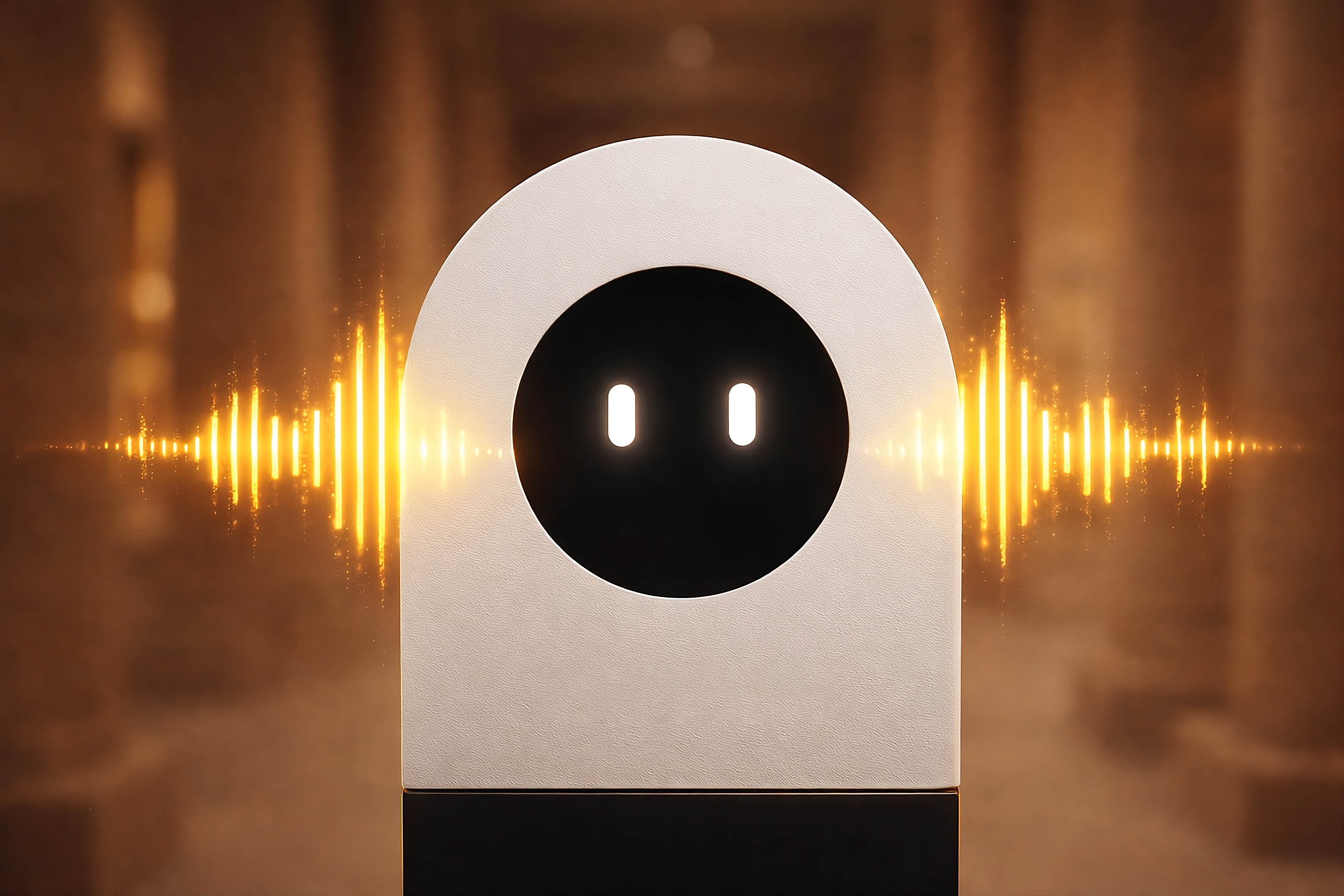
PopShot marks a pivotal moment for Blending Pixels: the transition from bespoke installations to our first scalable product.
It is an interactive system designed to inhabit museum spaces, serving as both a knowledgeable guide and a creative partner. By combining computer vision, conversational AI, and generative art, PopShot transforms the passive museum visit into an active dialogue and a personalized artistic creation.
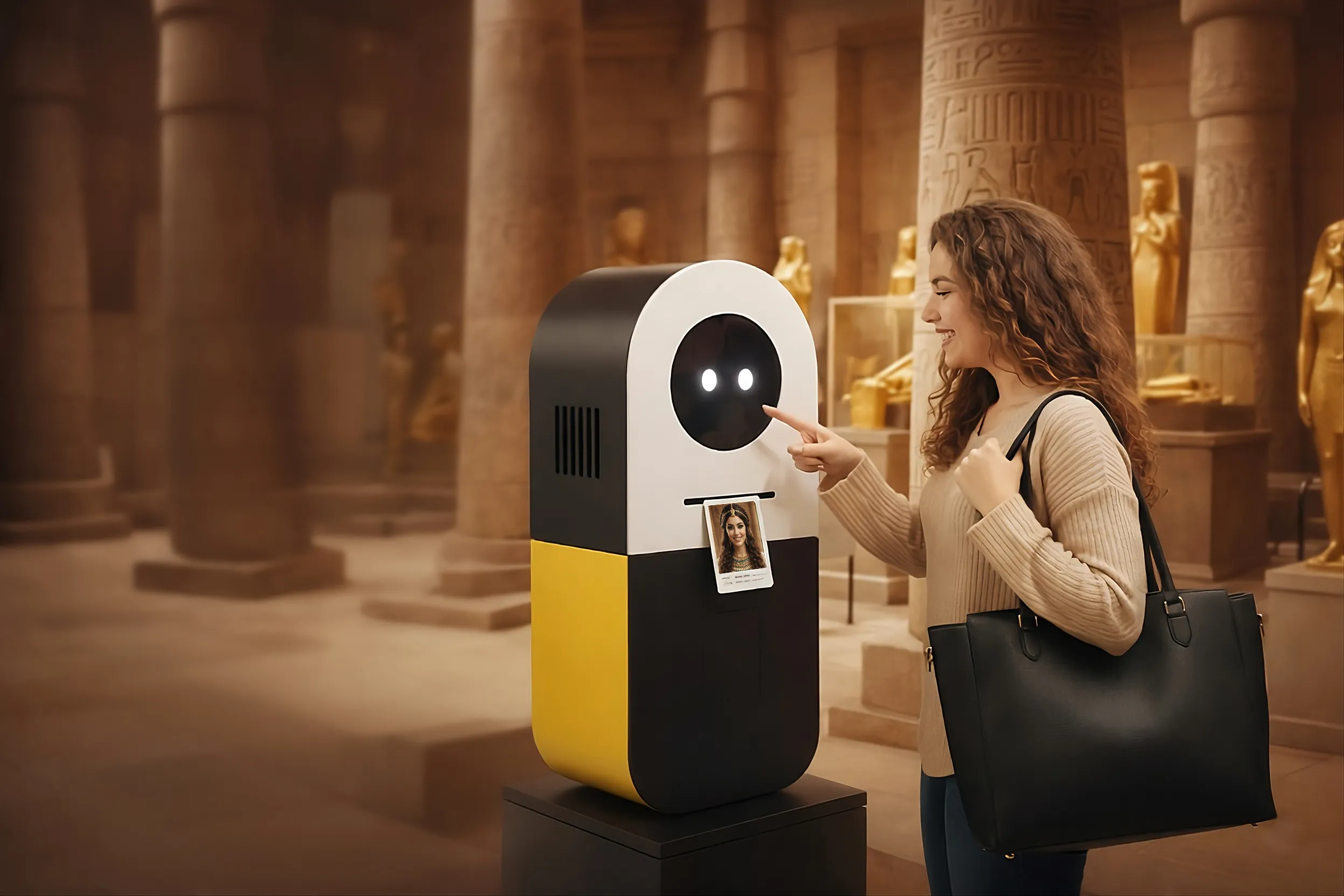
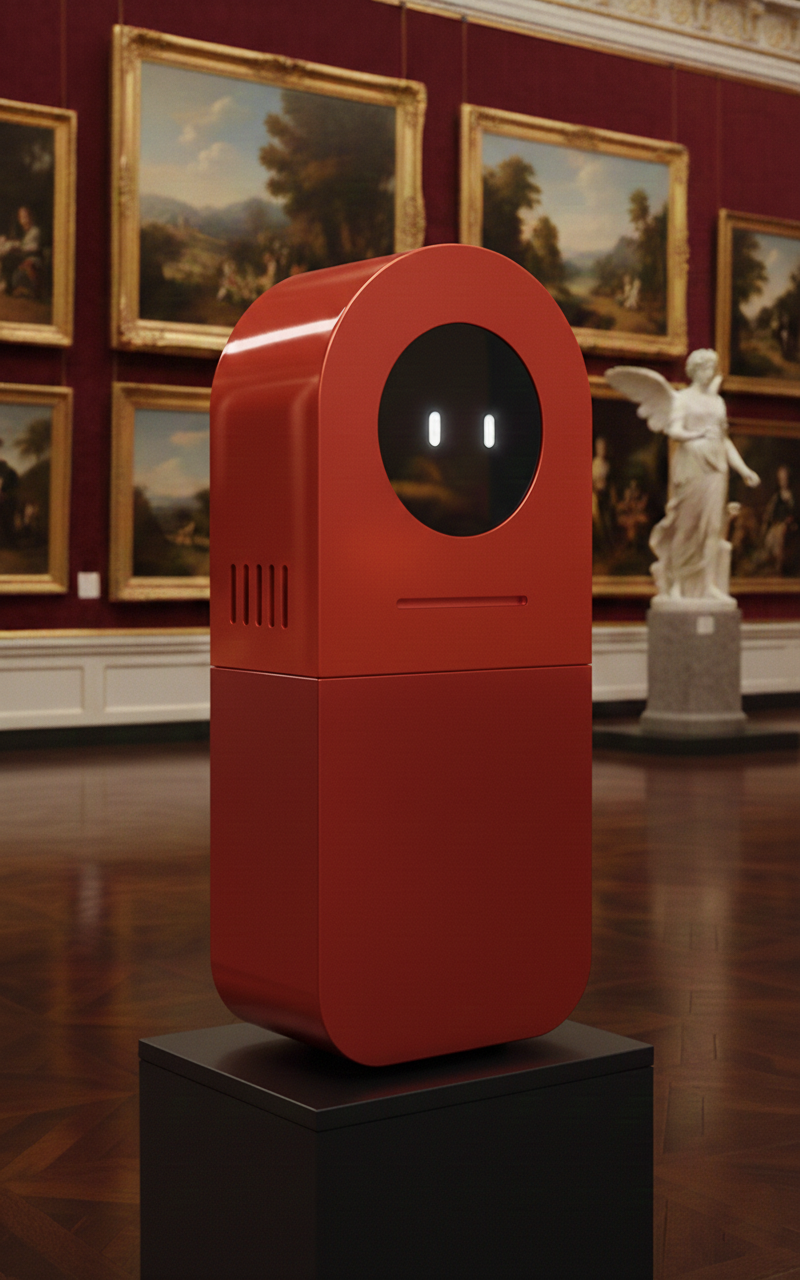
Museums are repositories of history, but the visitor experience is often solitary. PopShot was conceived to bridge this gap by introducing a "relational agent"—a digital entity that can see, hear, and speak.
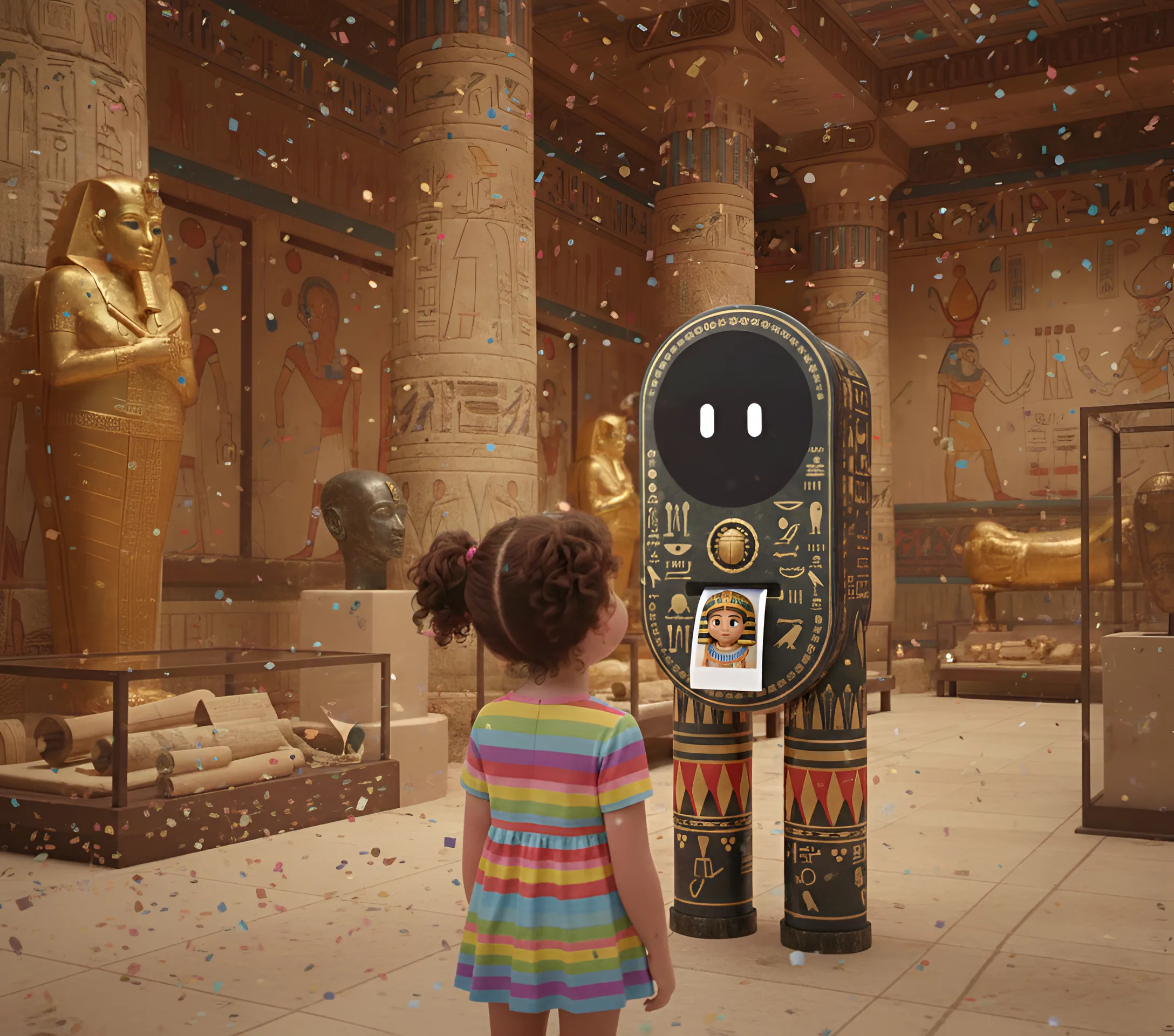
It doesn't just retrieve information; it embodies the museum's persona, engaging visitors in natural conversation about the collection and reinterpreting their presence through the lens of art history.
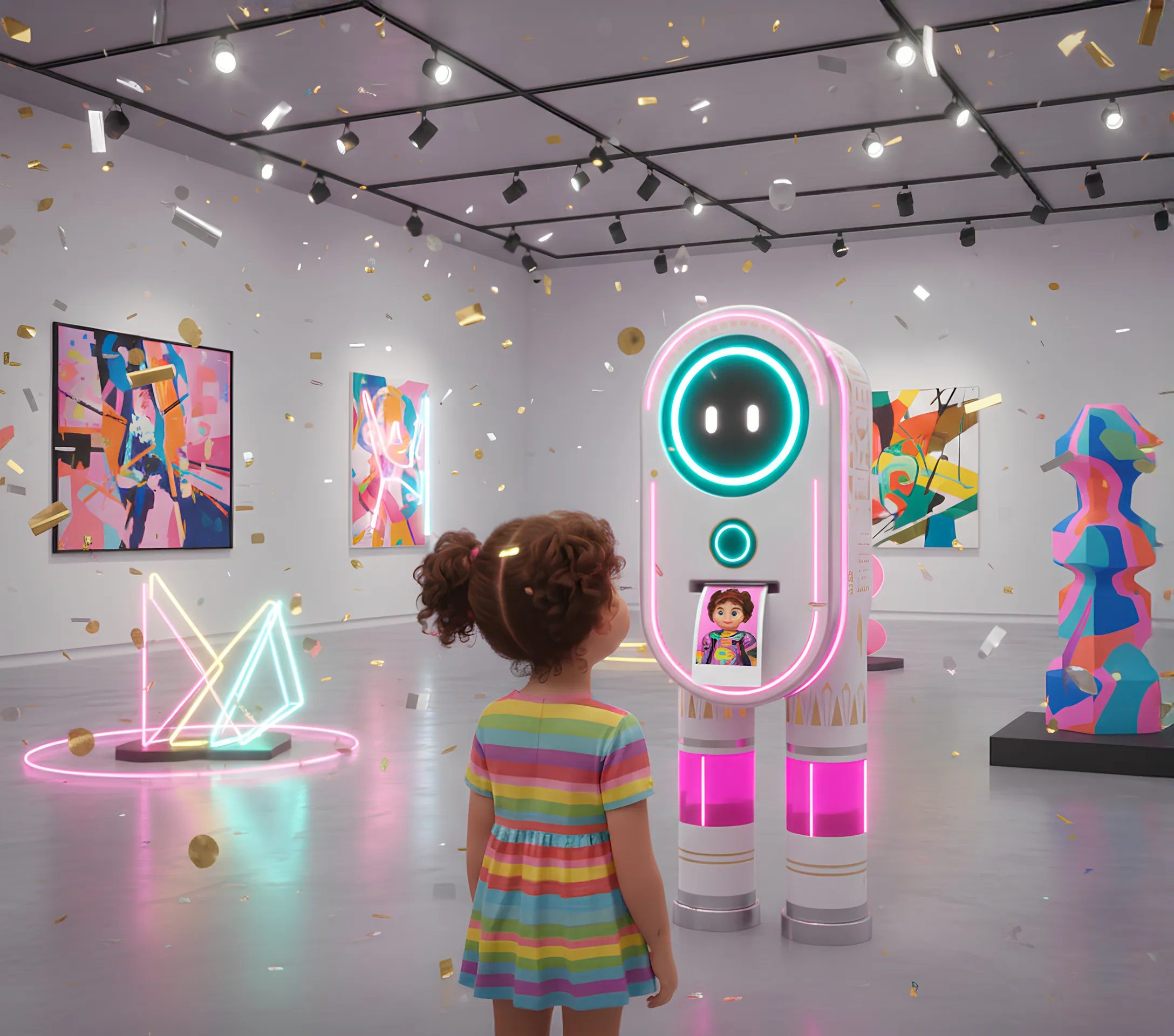
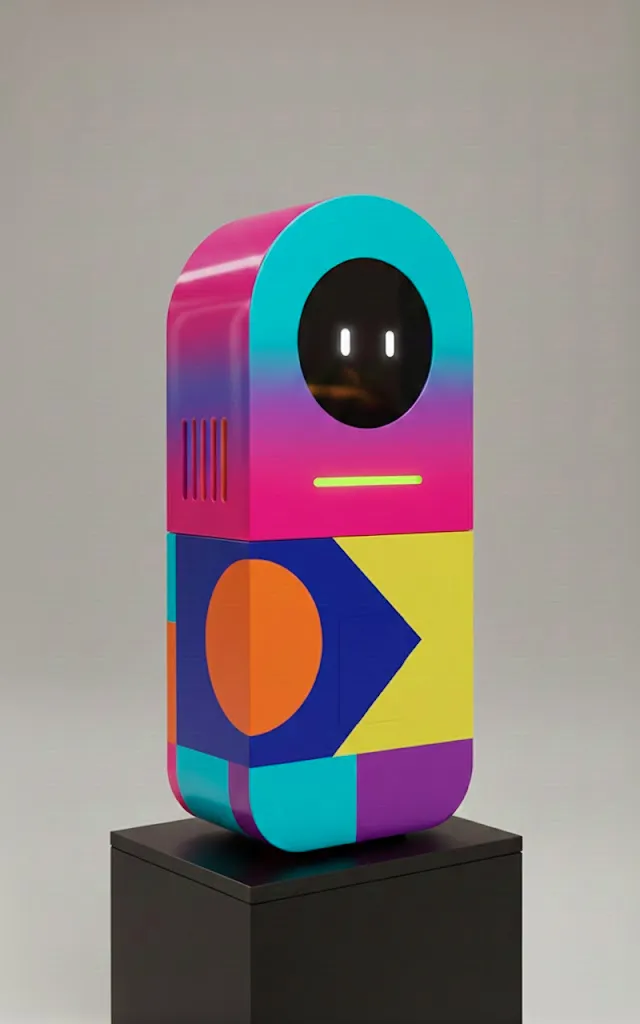
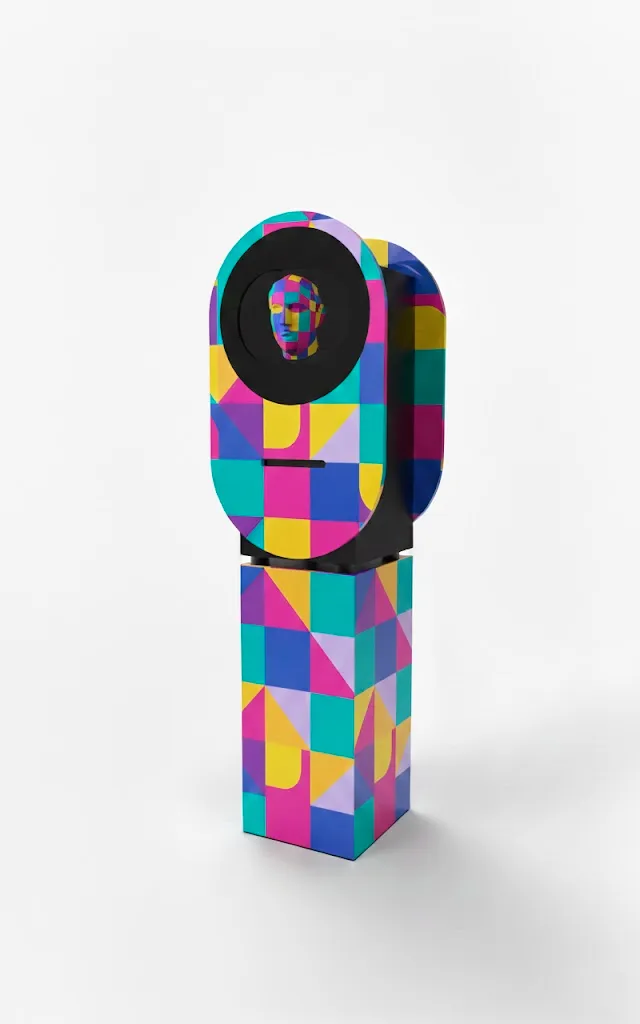
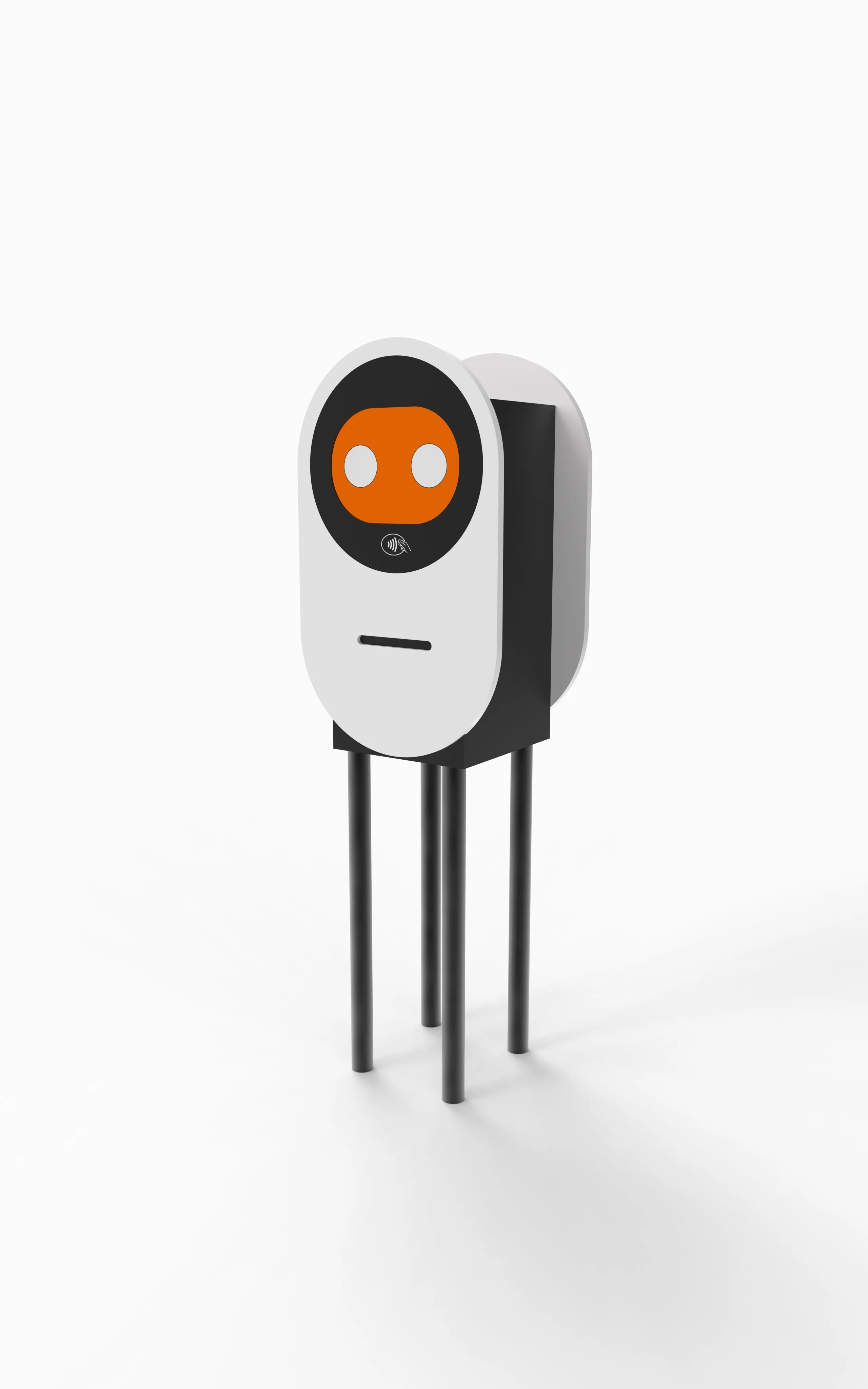
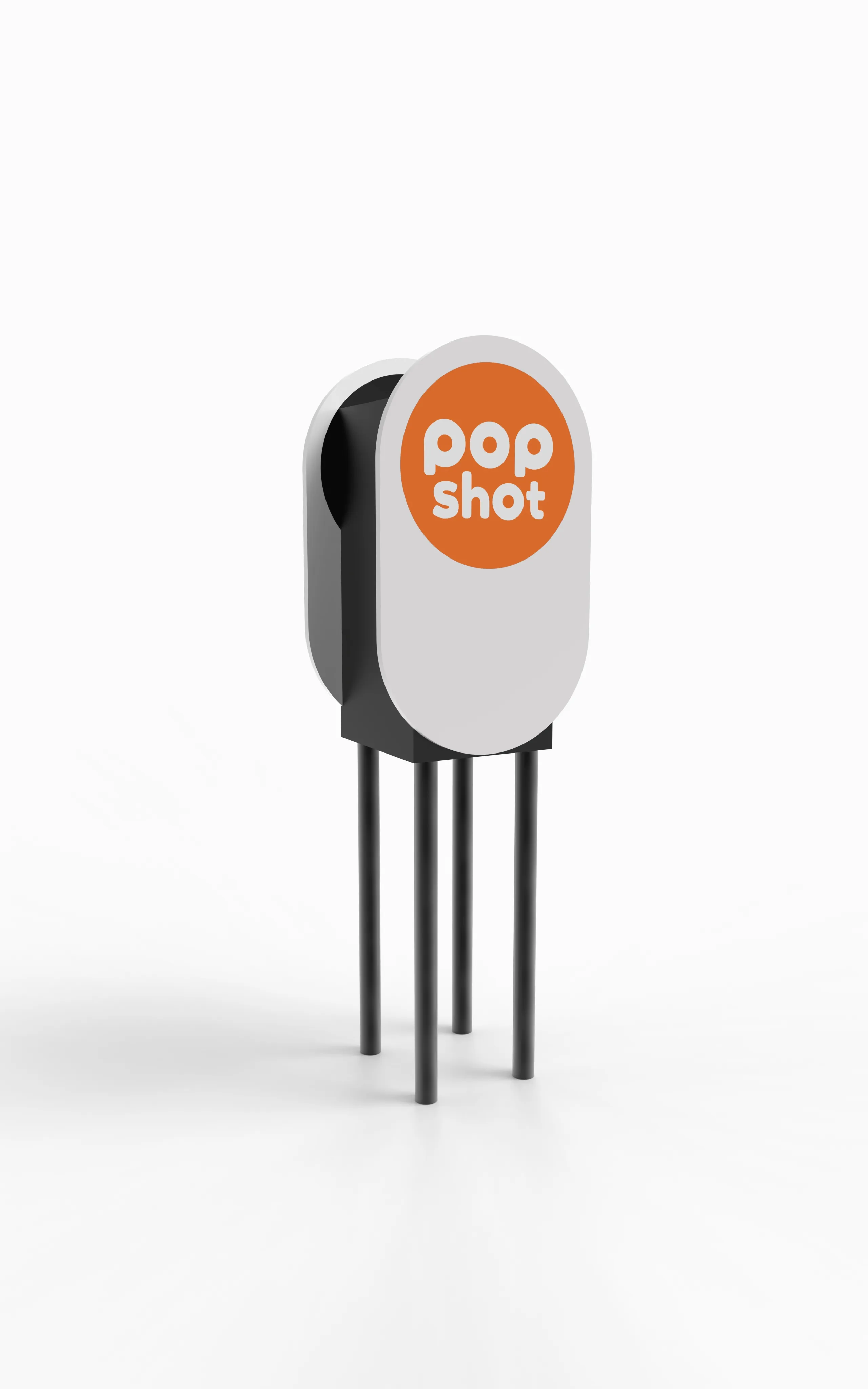
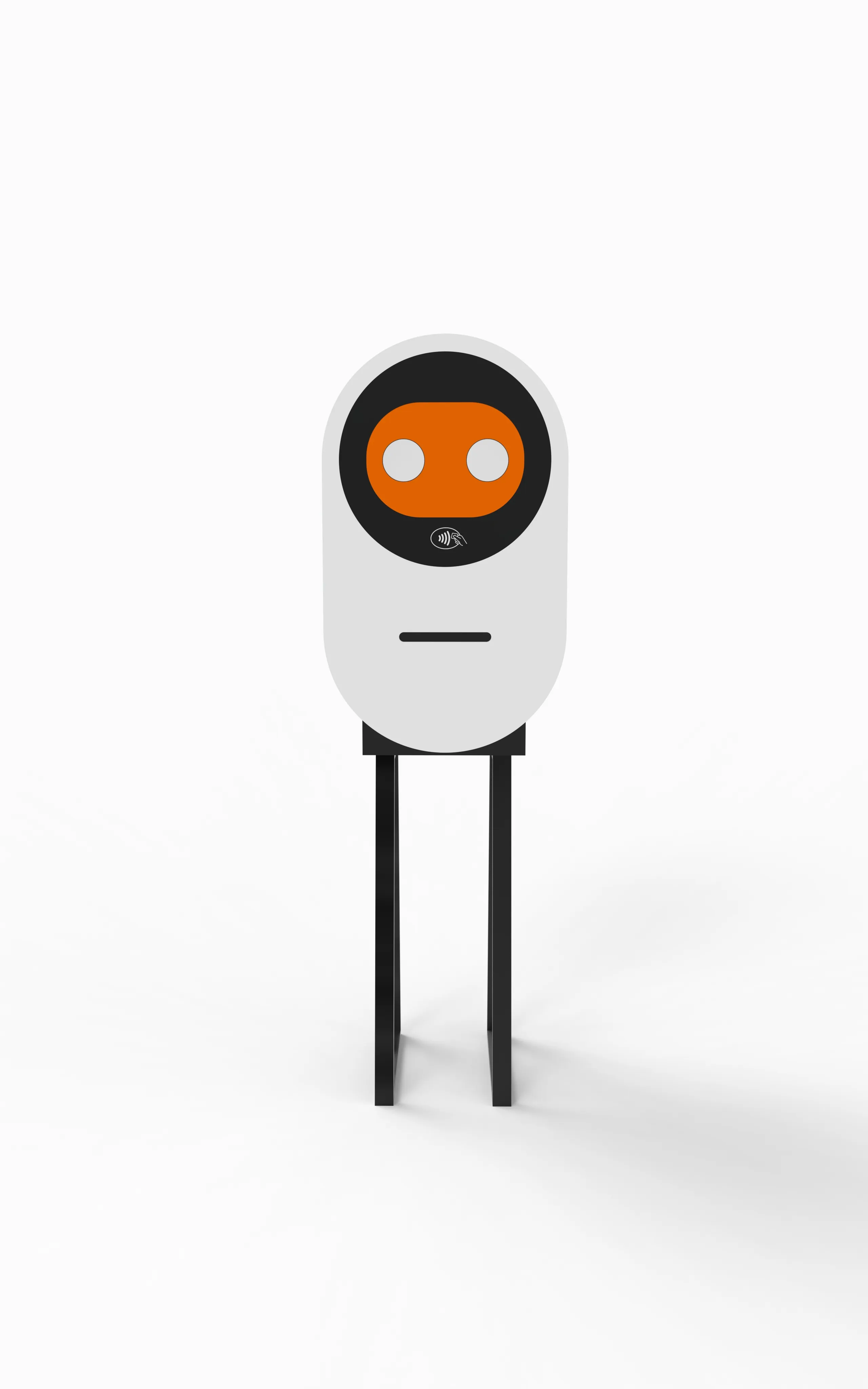
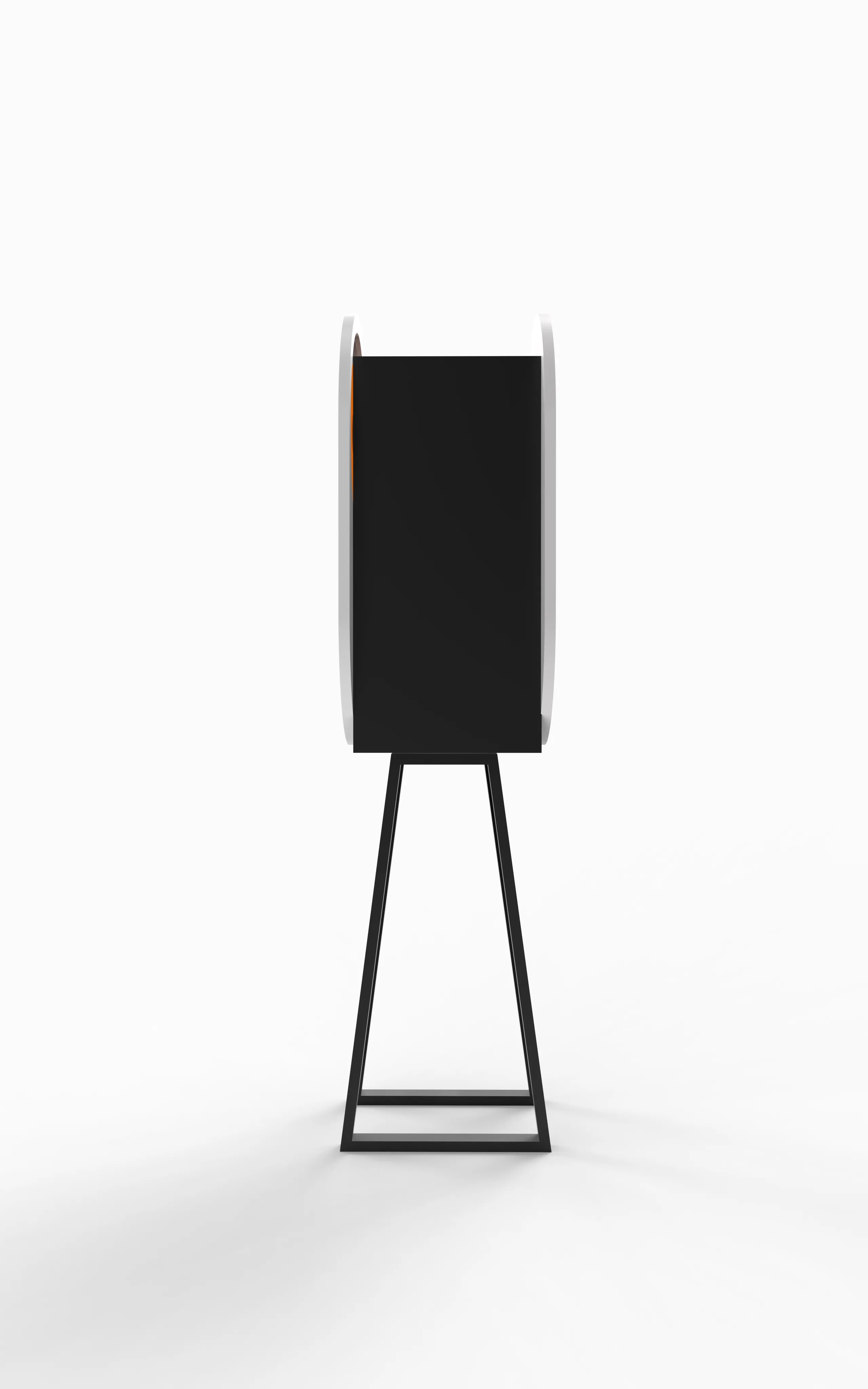
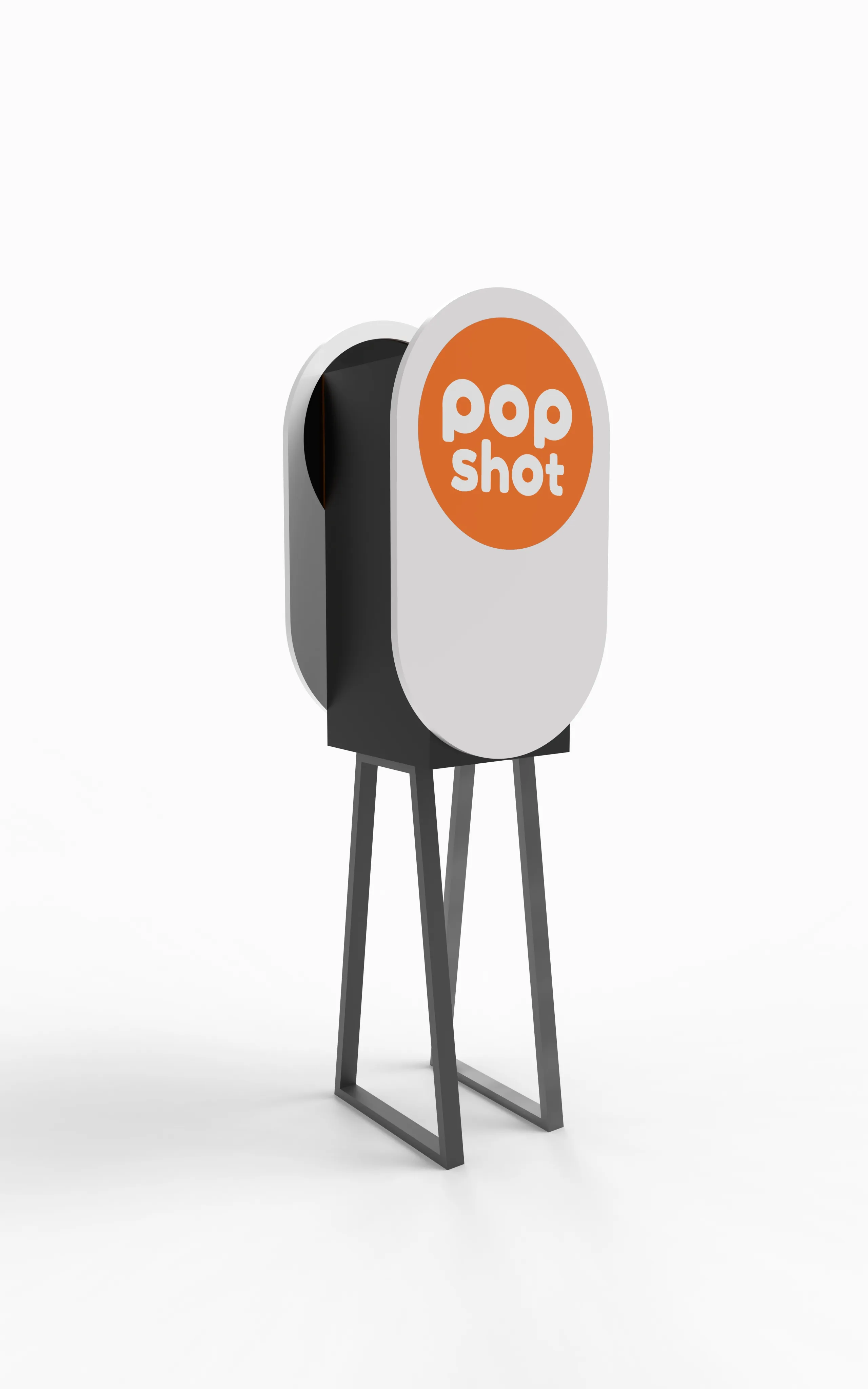
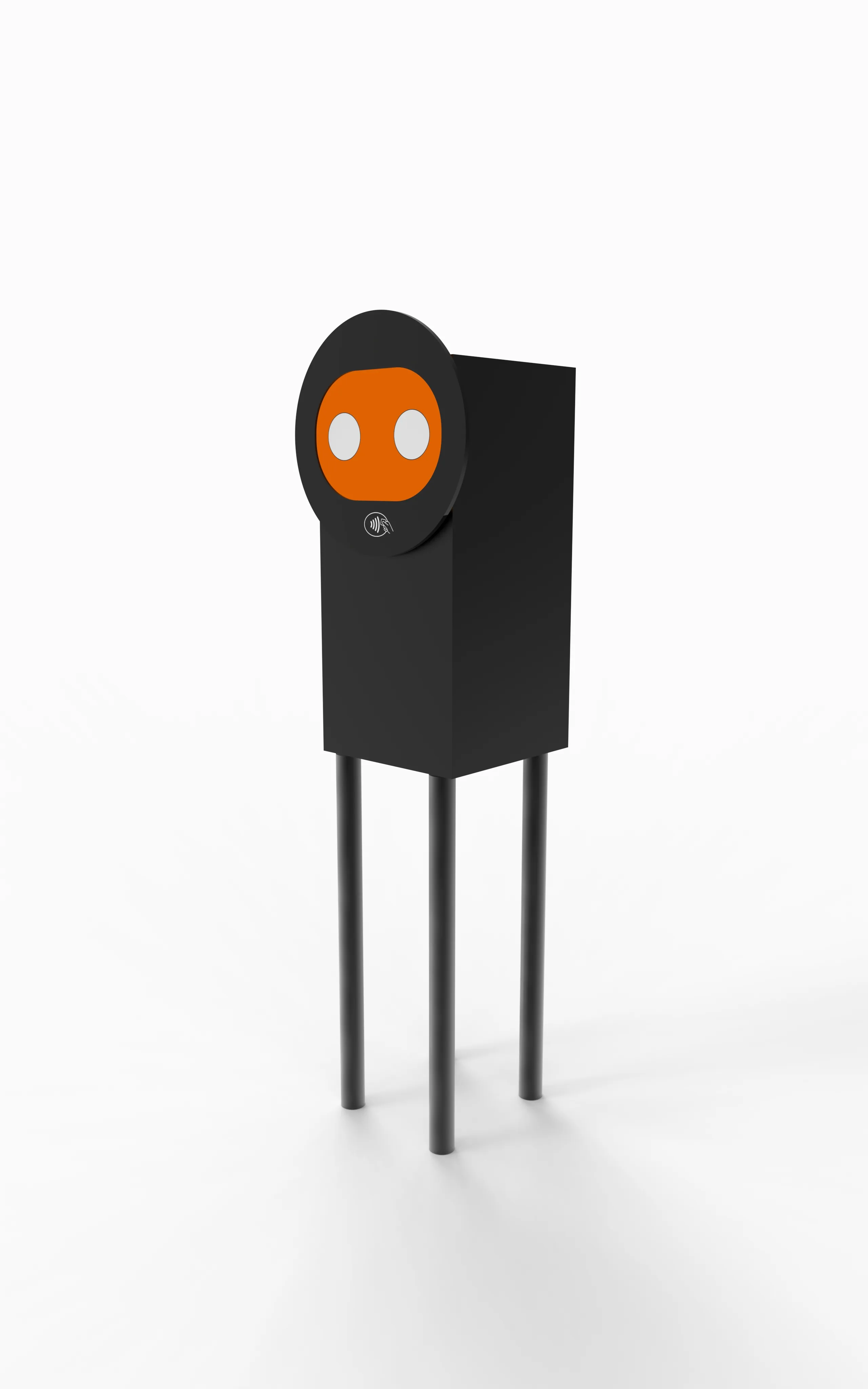
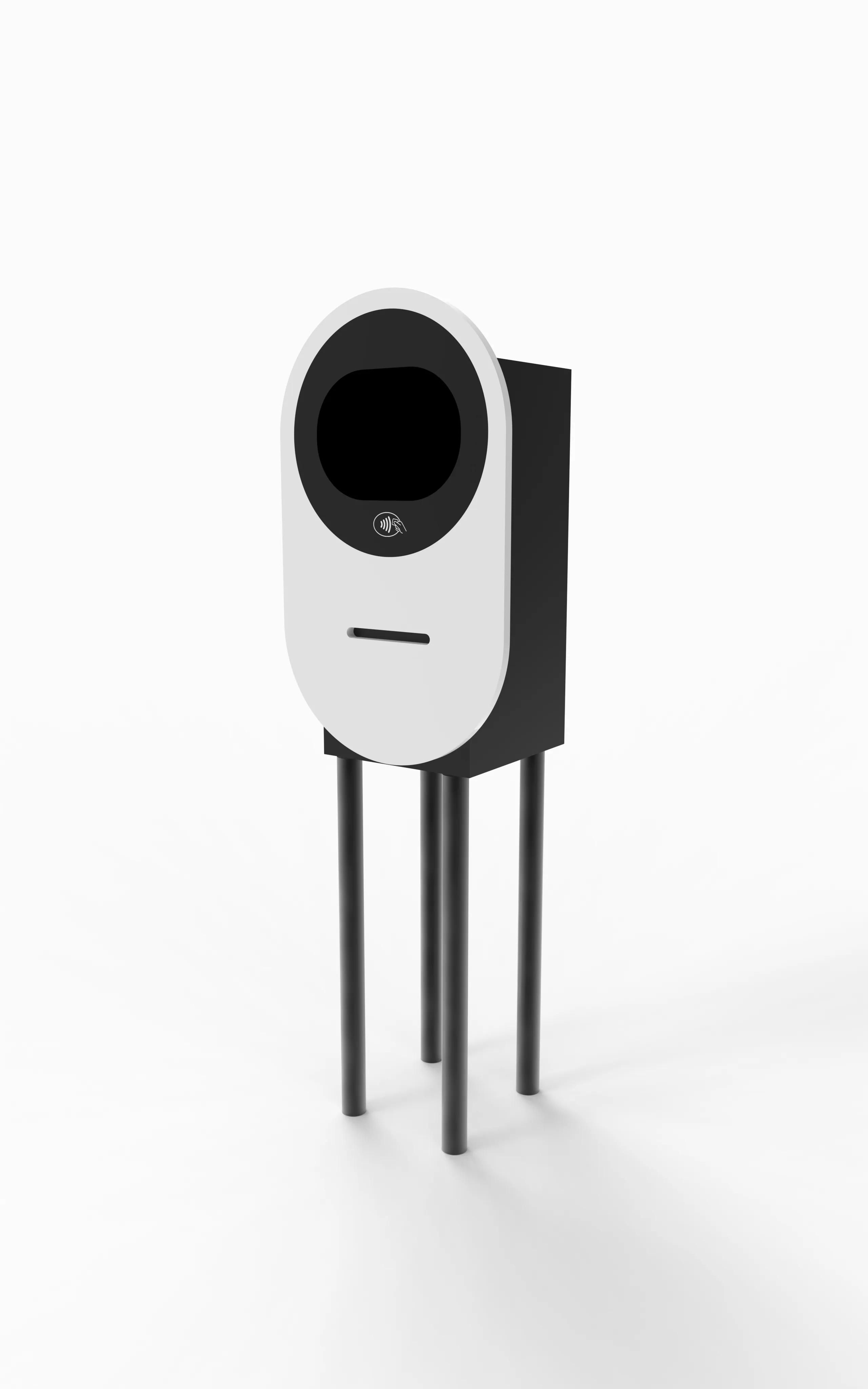
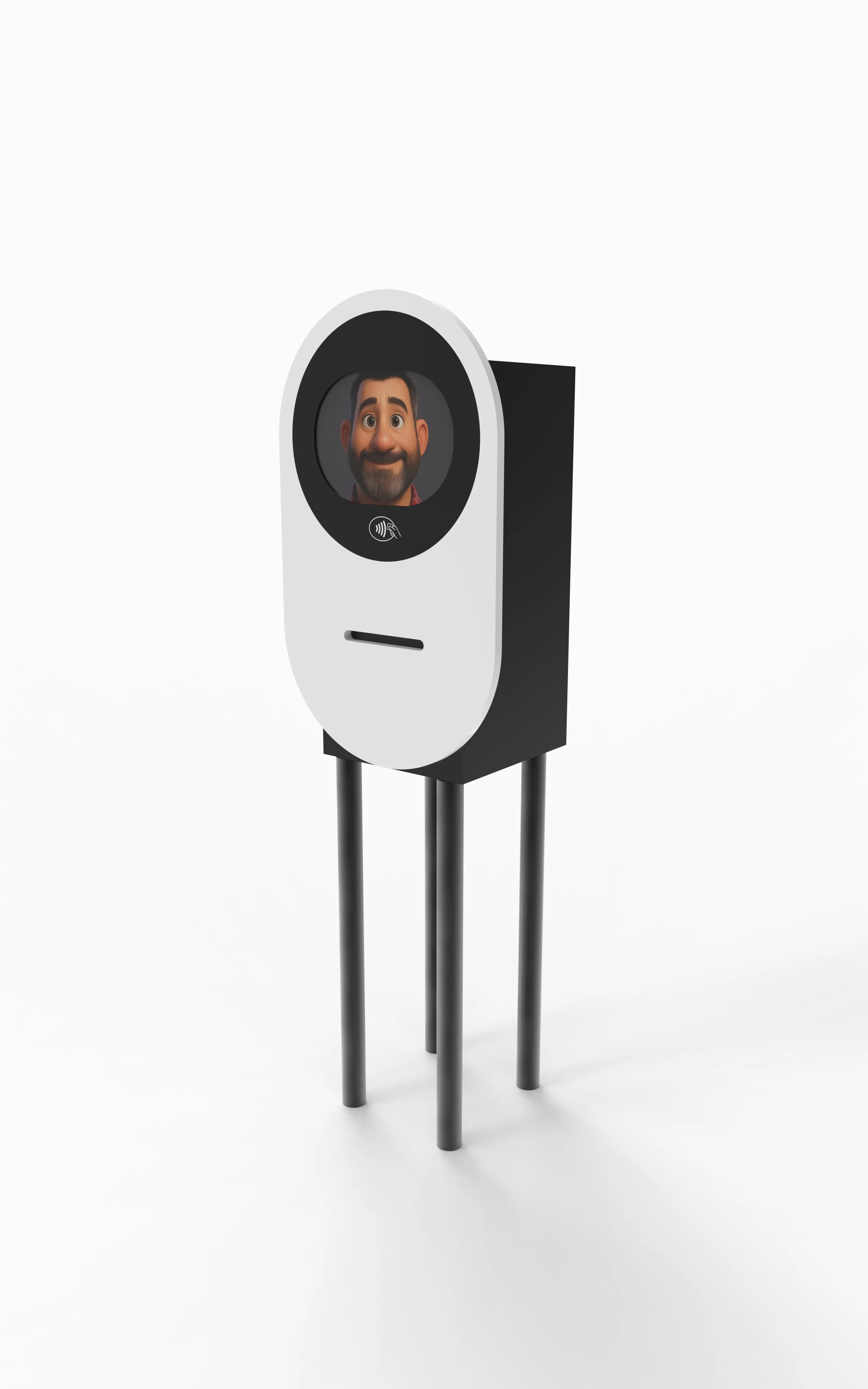
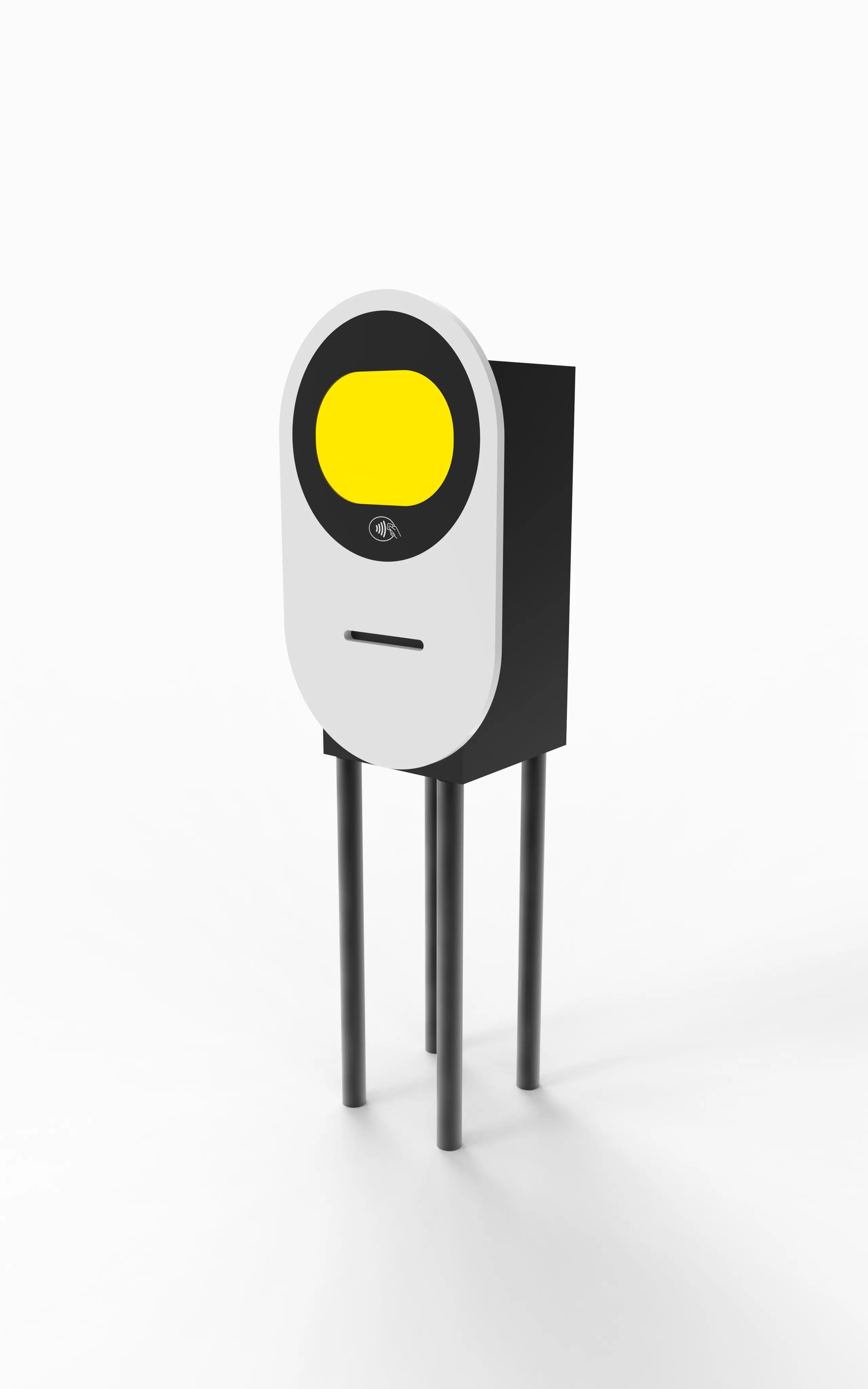
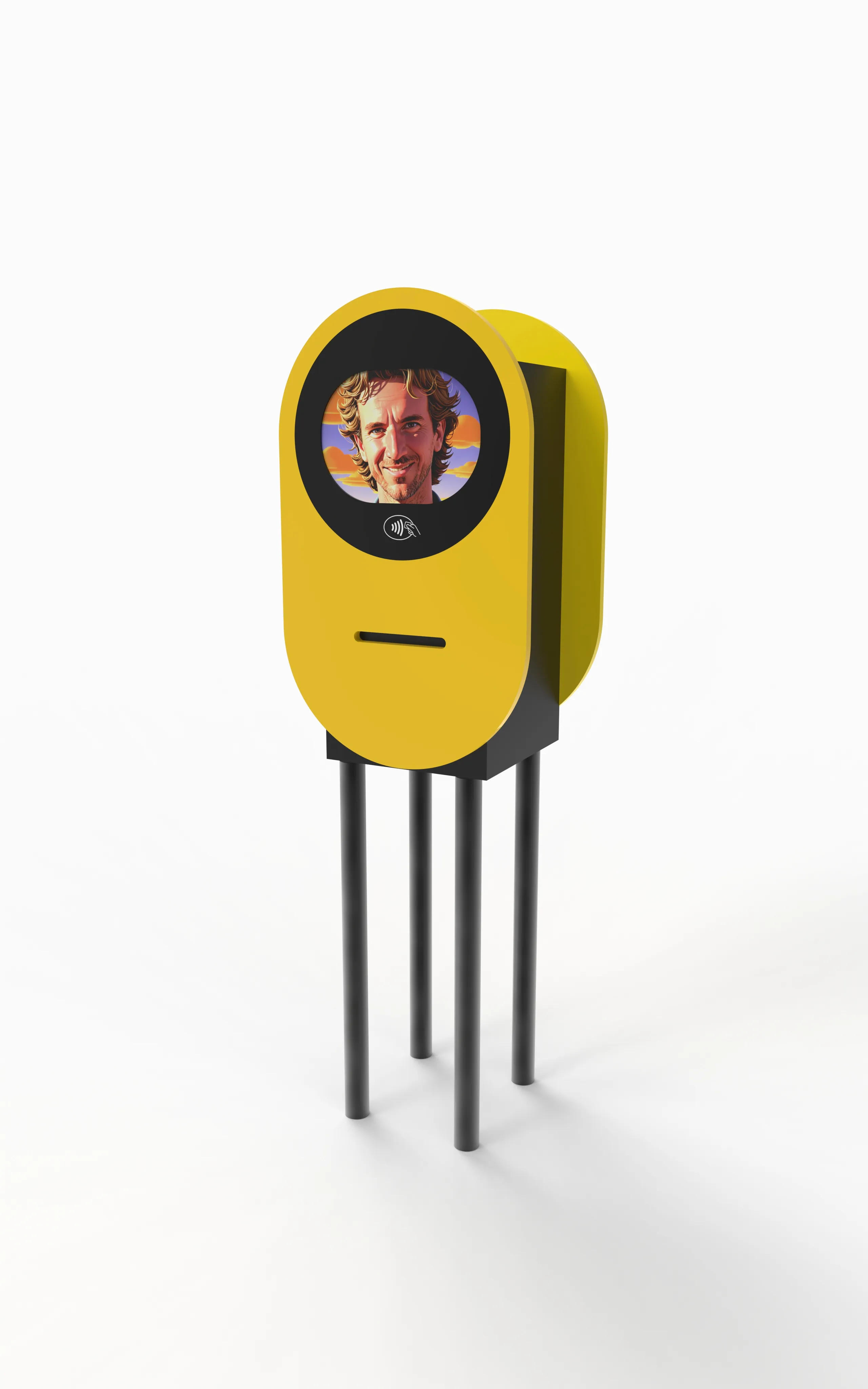
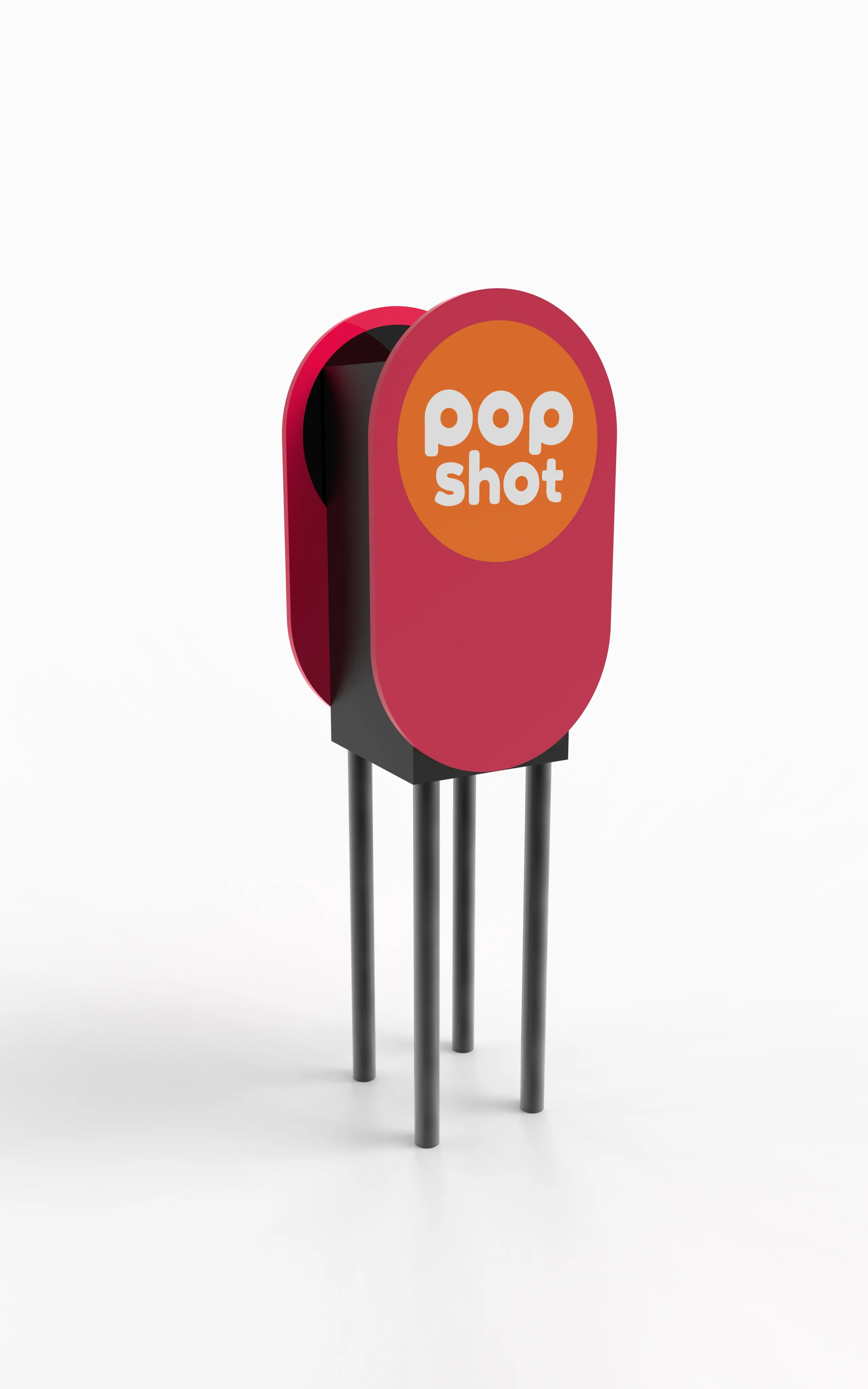
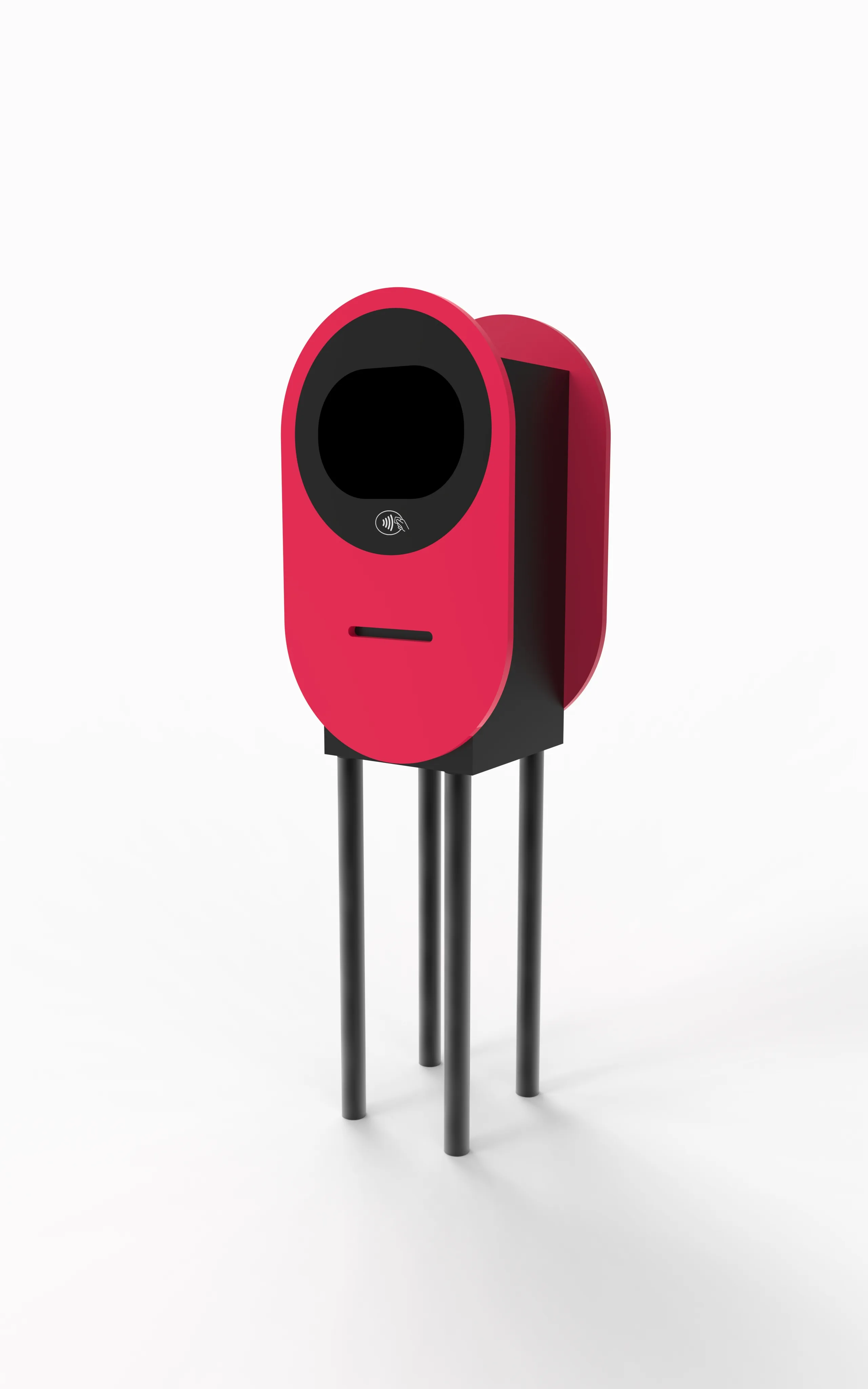
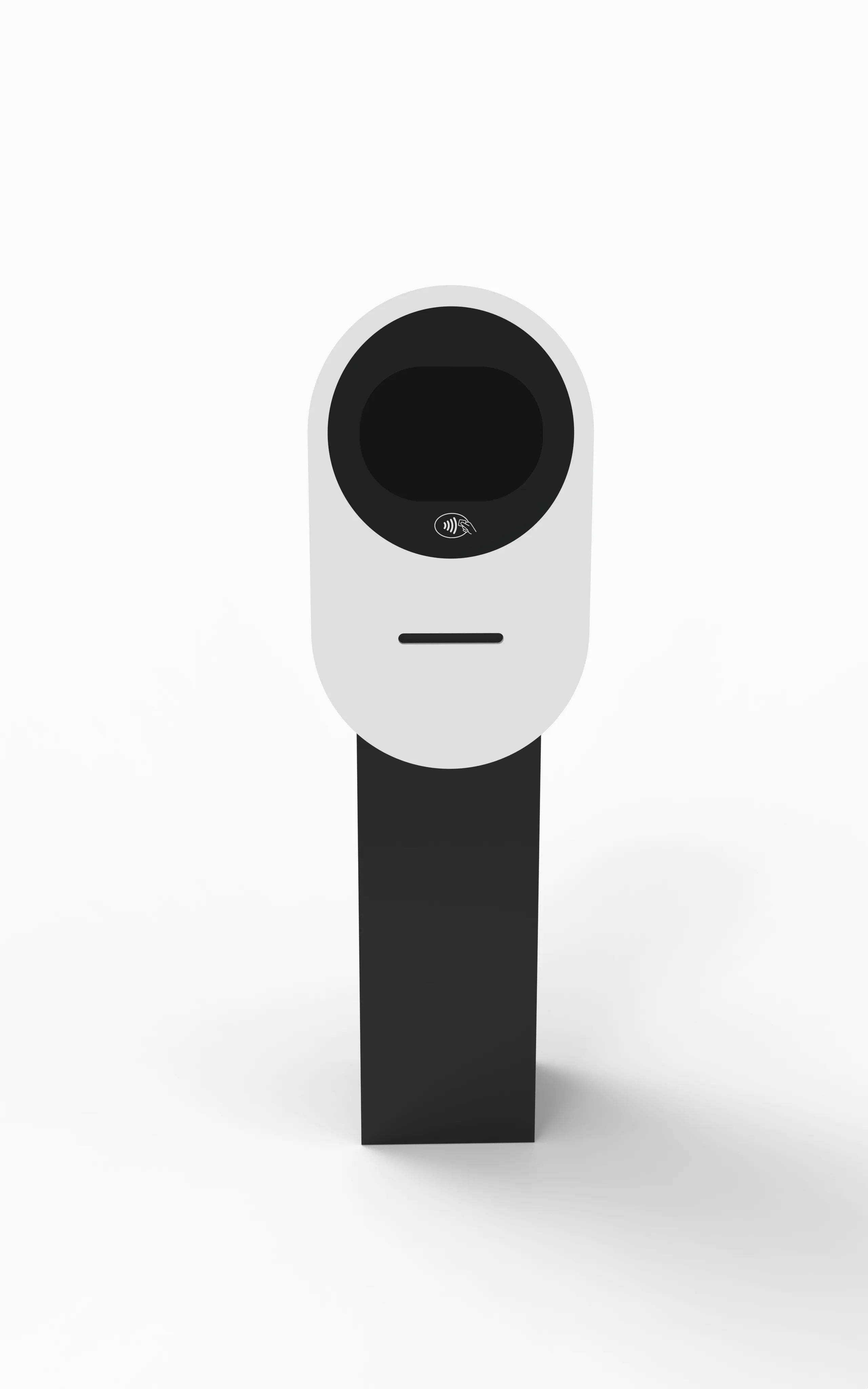
PopShot is engineered to harmonize with the museum's architecture—or to become its protagonist. Every aspect of the system can be tailored to reflect the institution's identity.
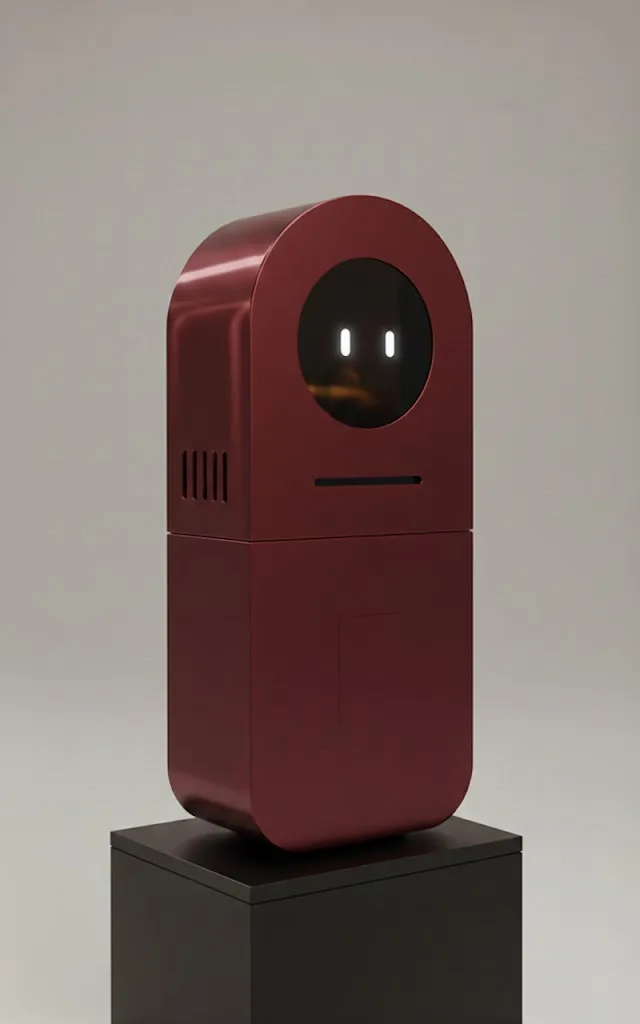
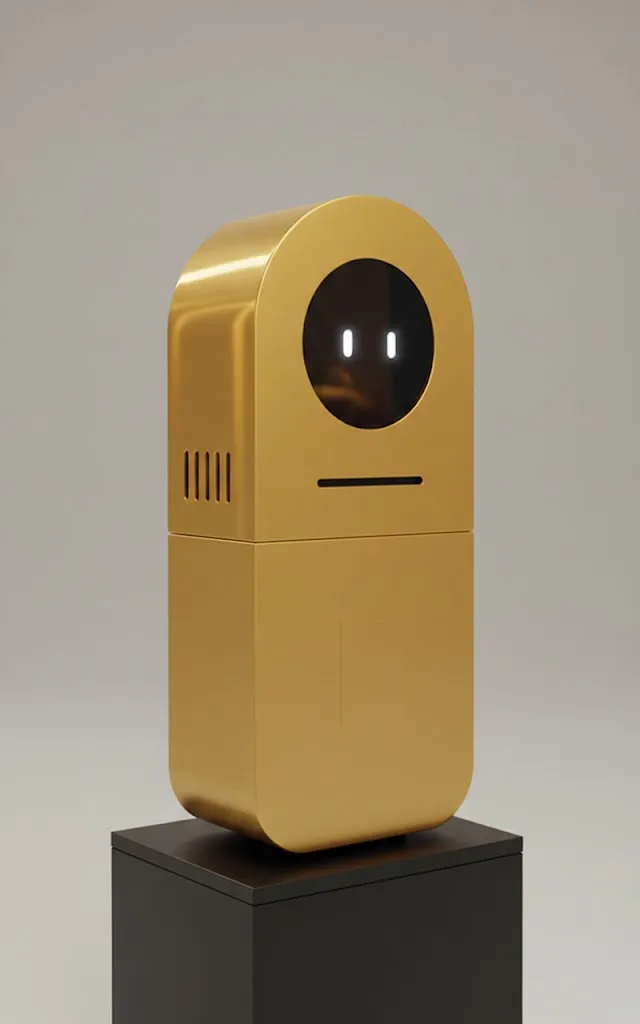
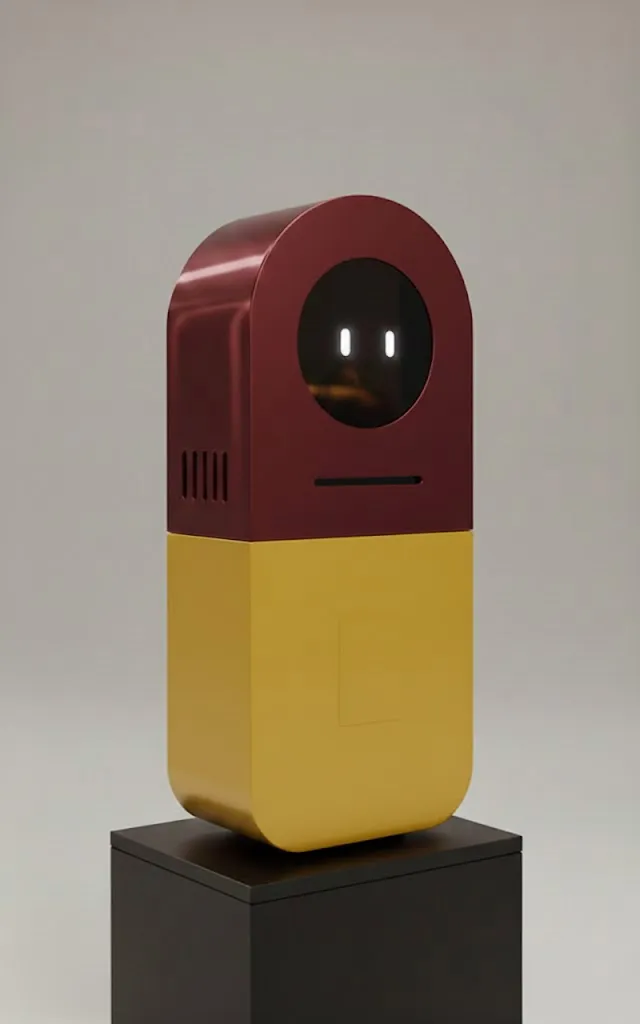
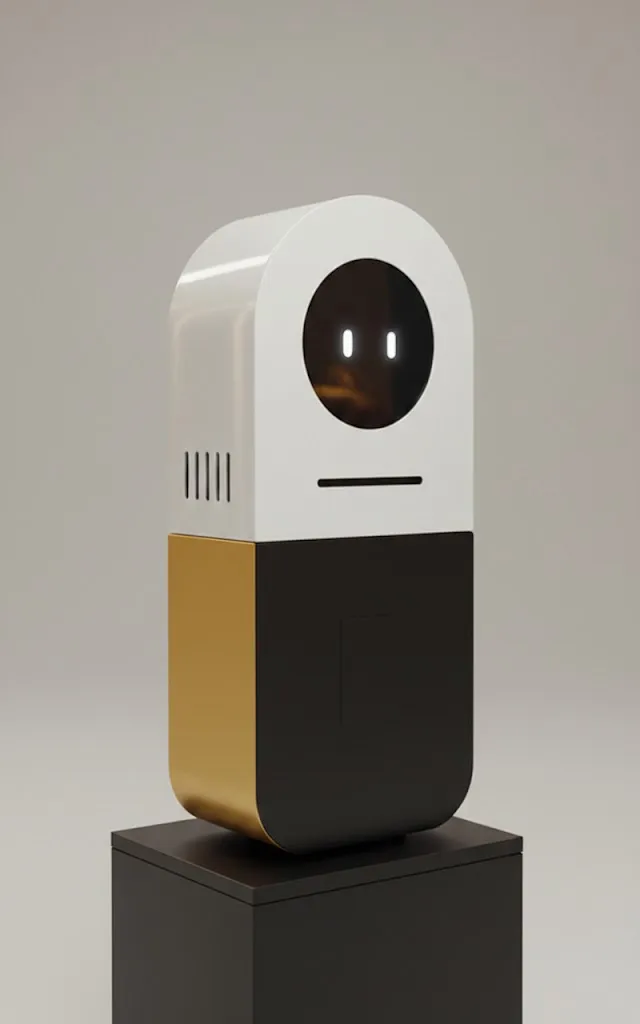
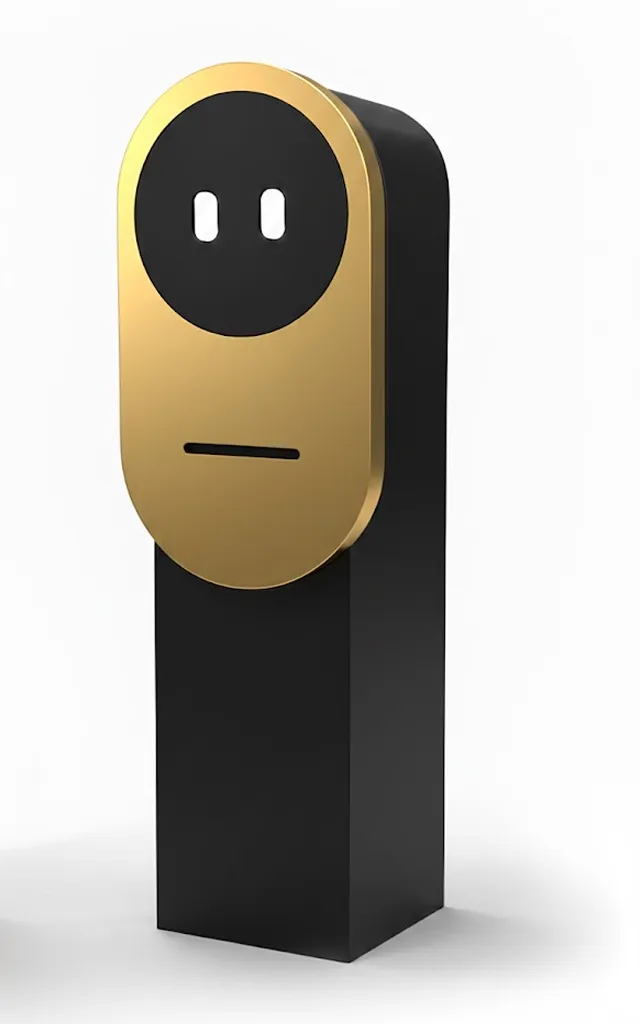
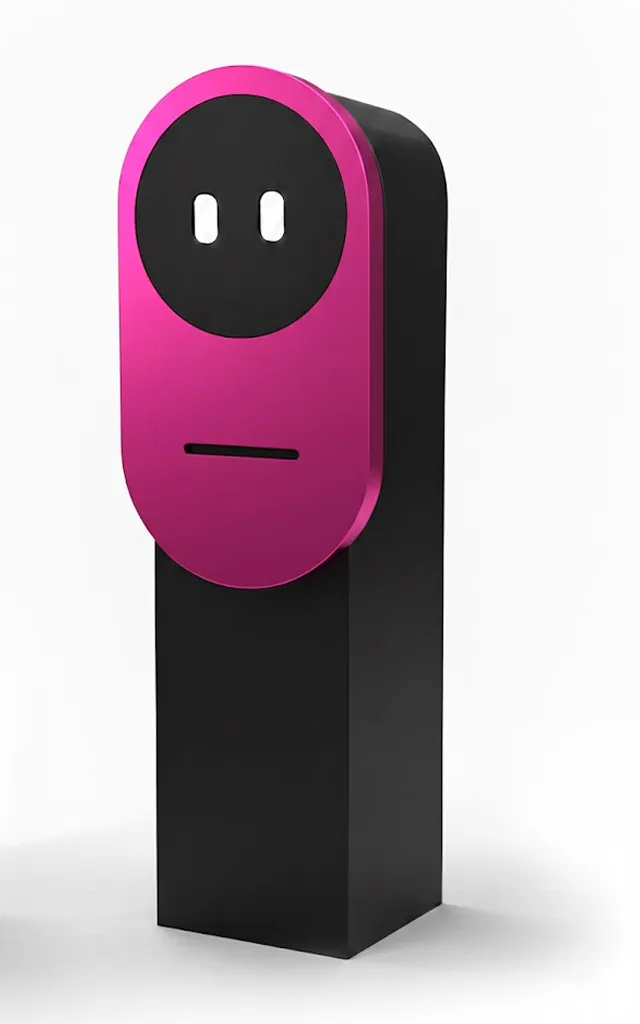
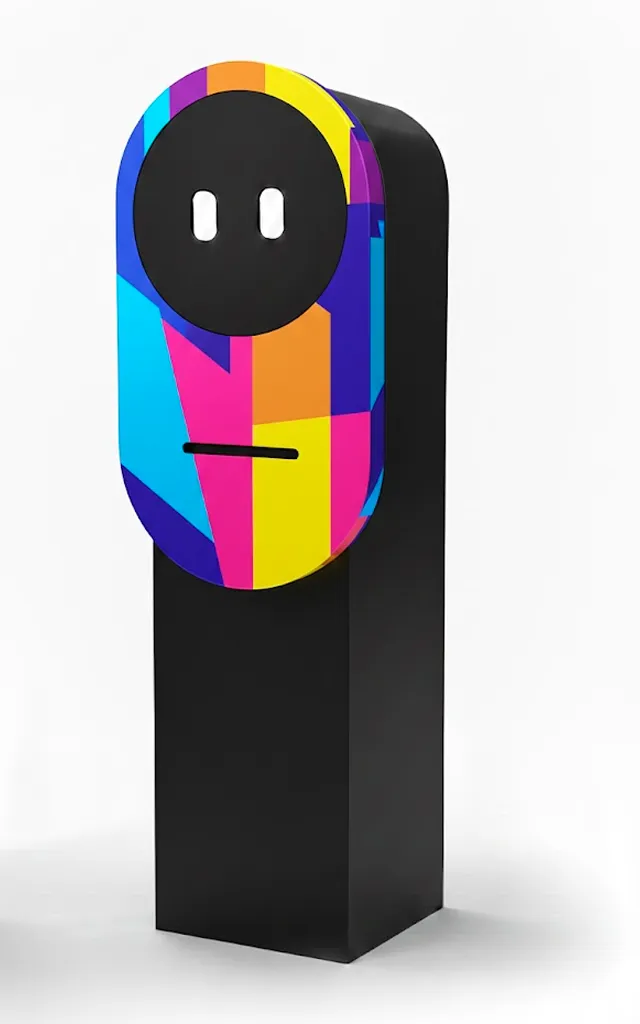
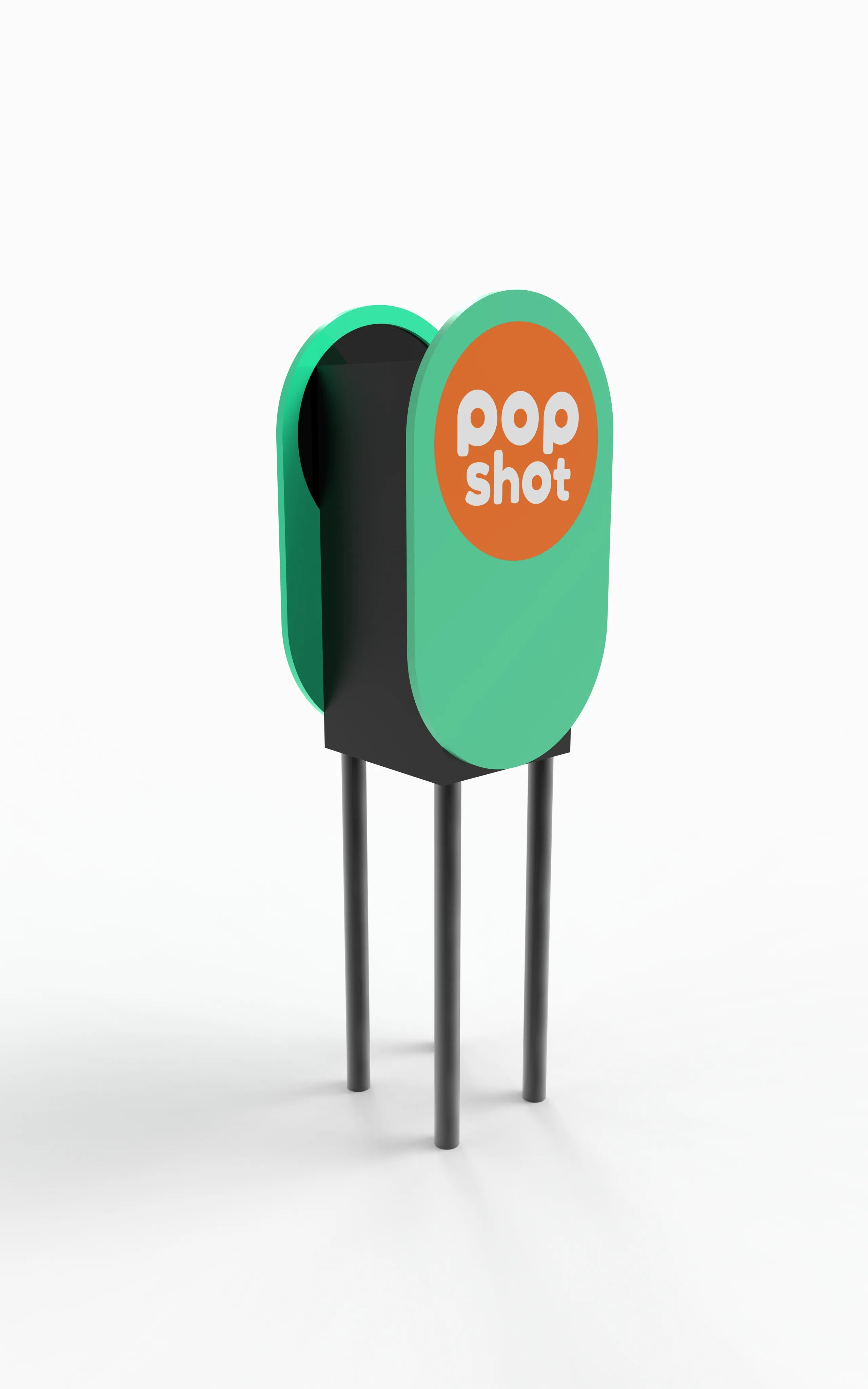
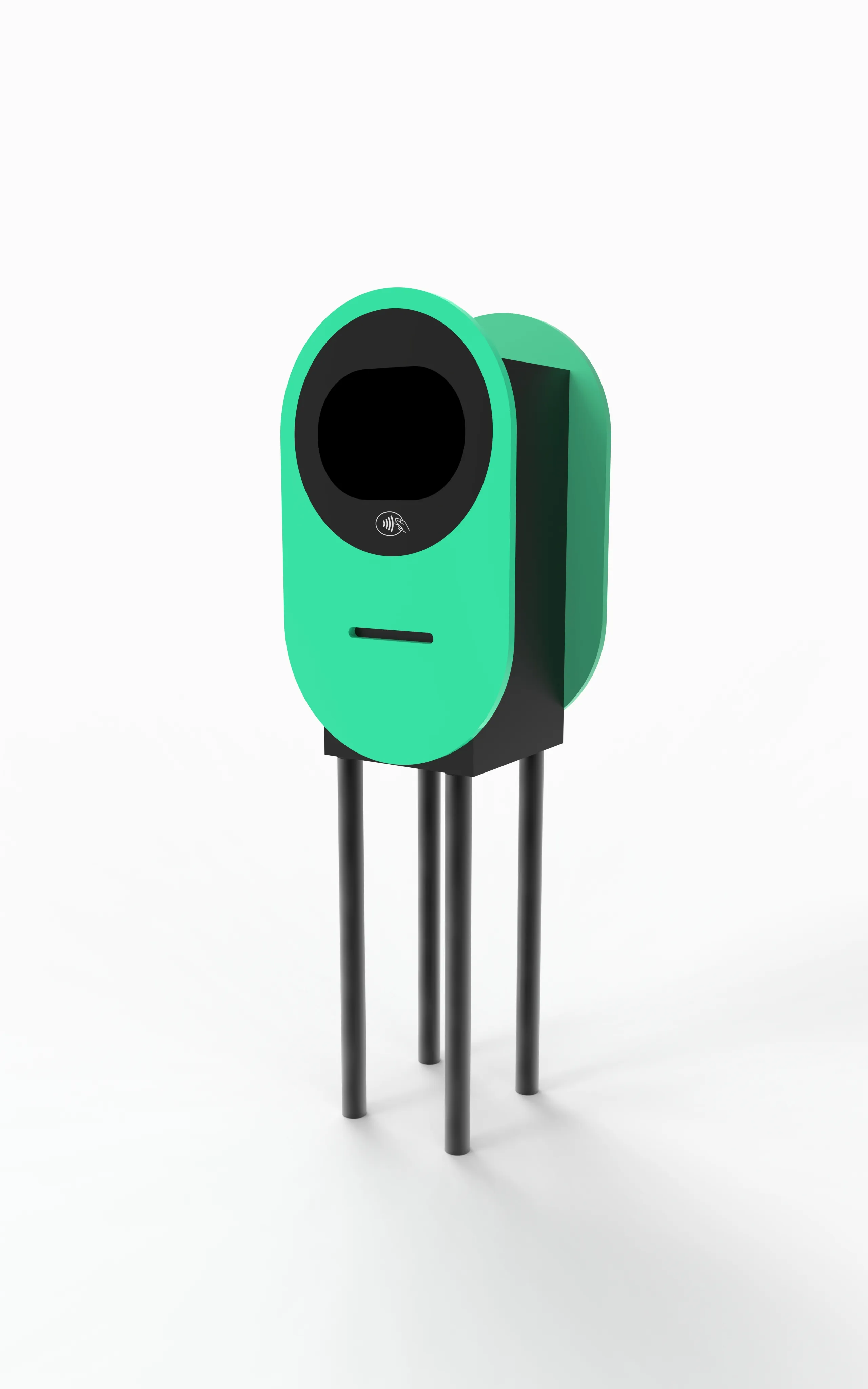
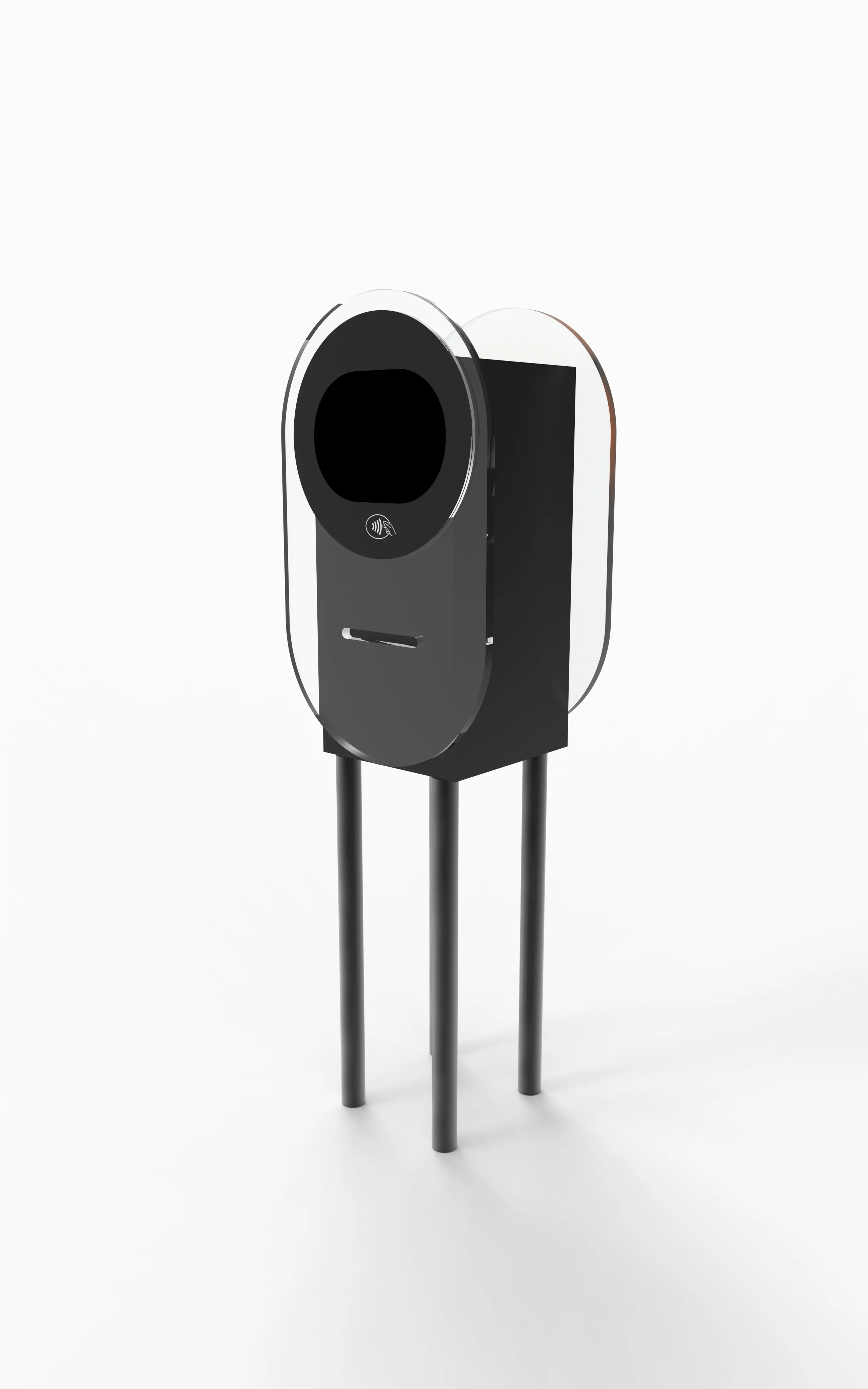
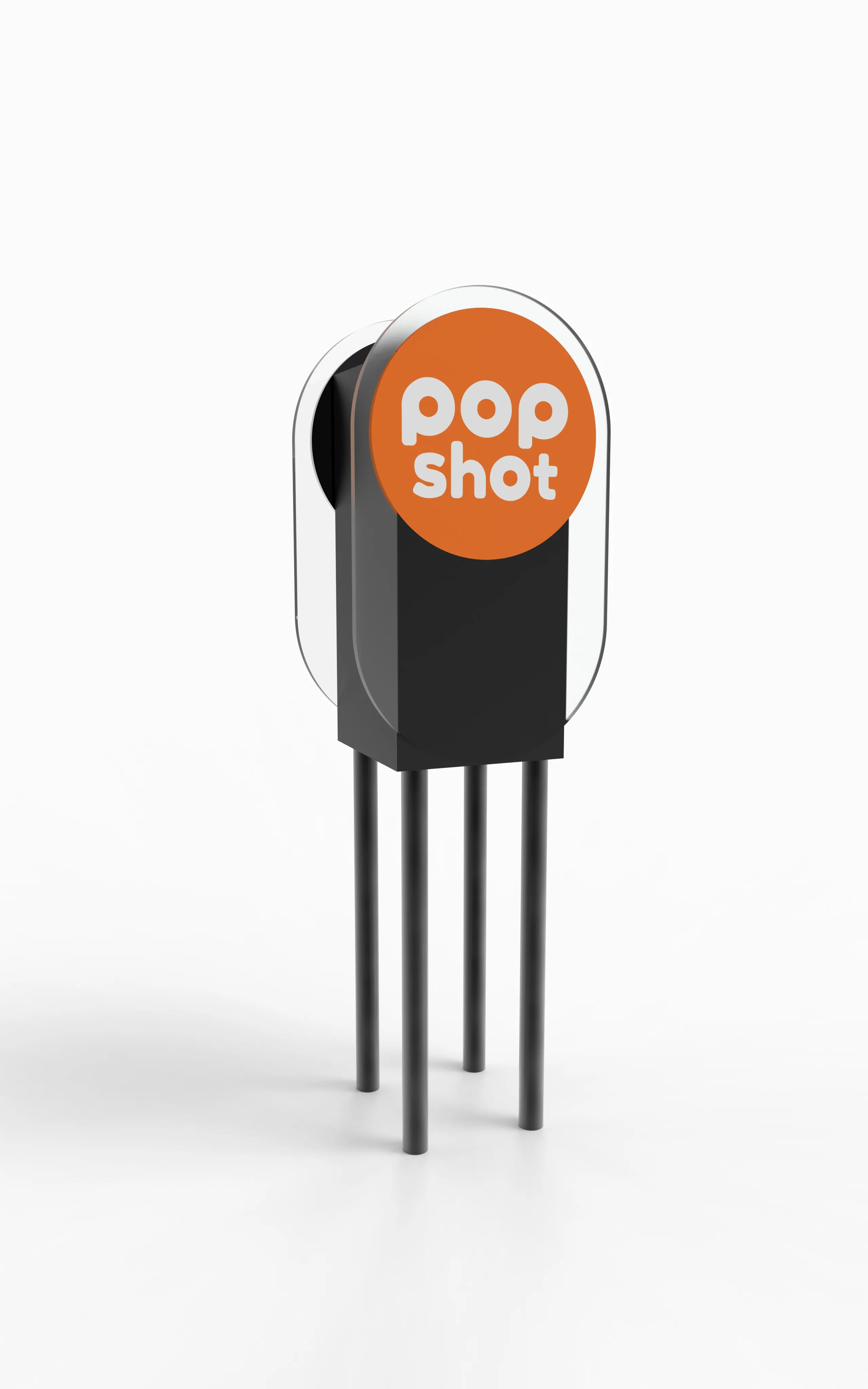
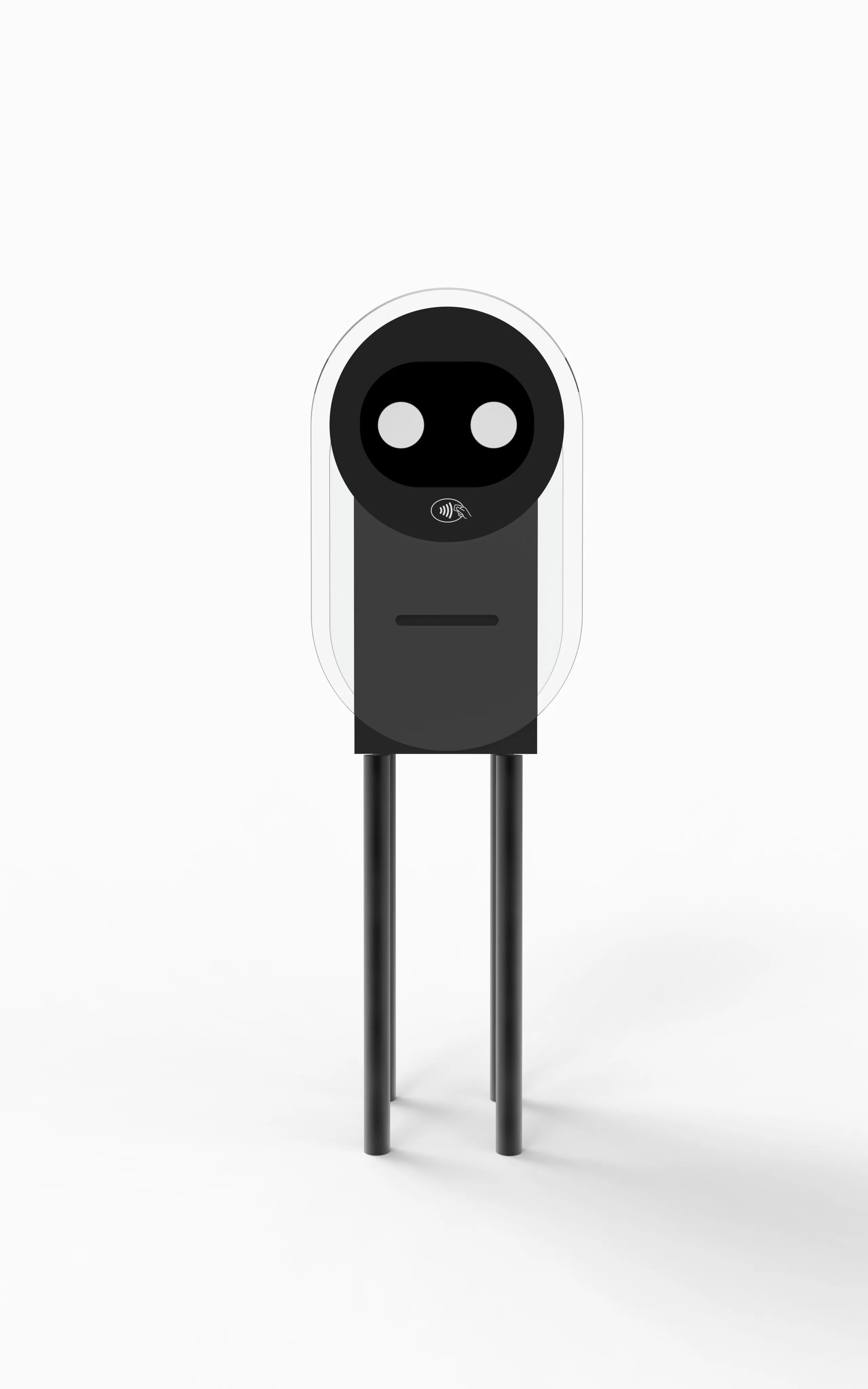
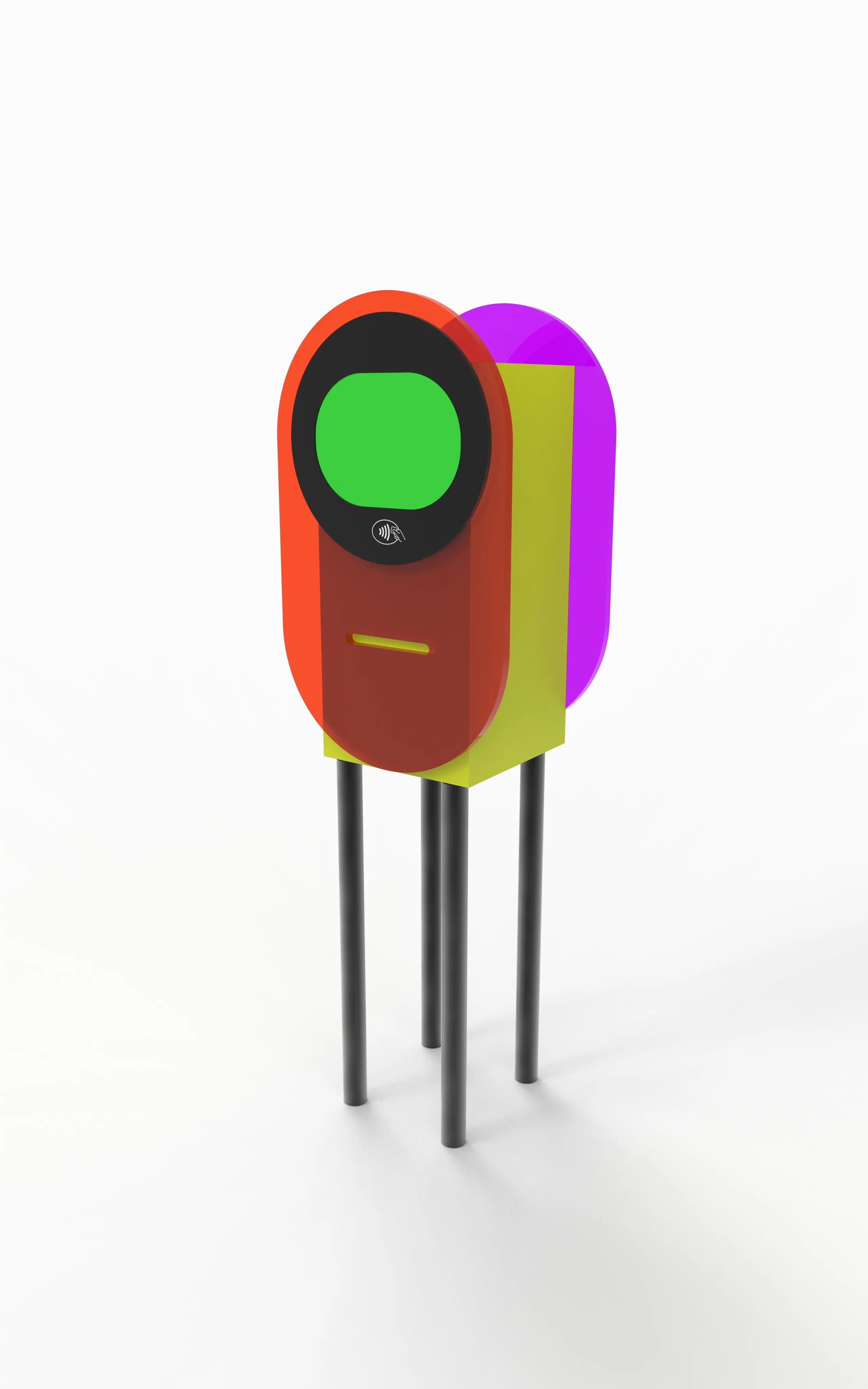
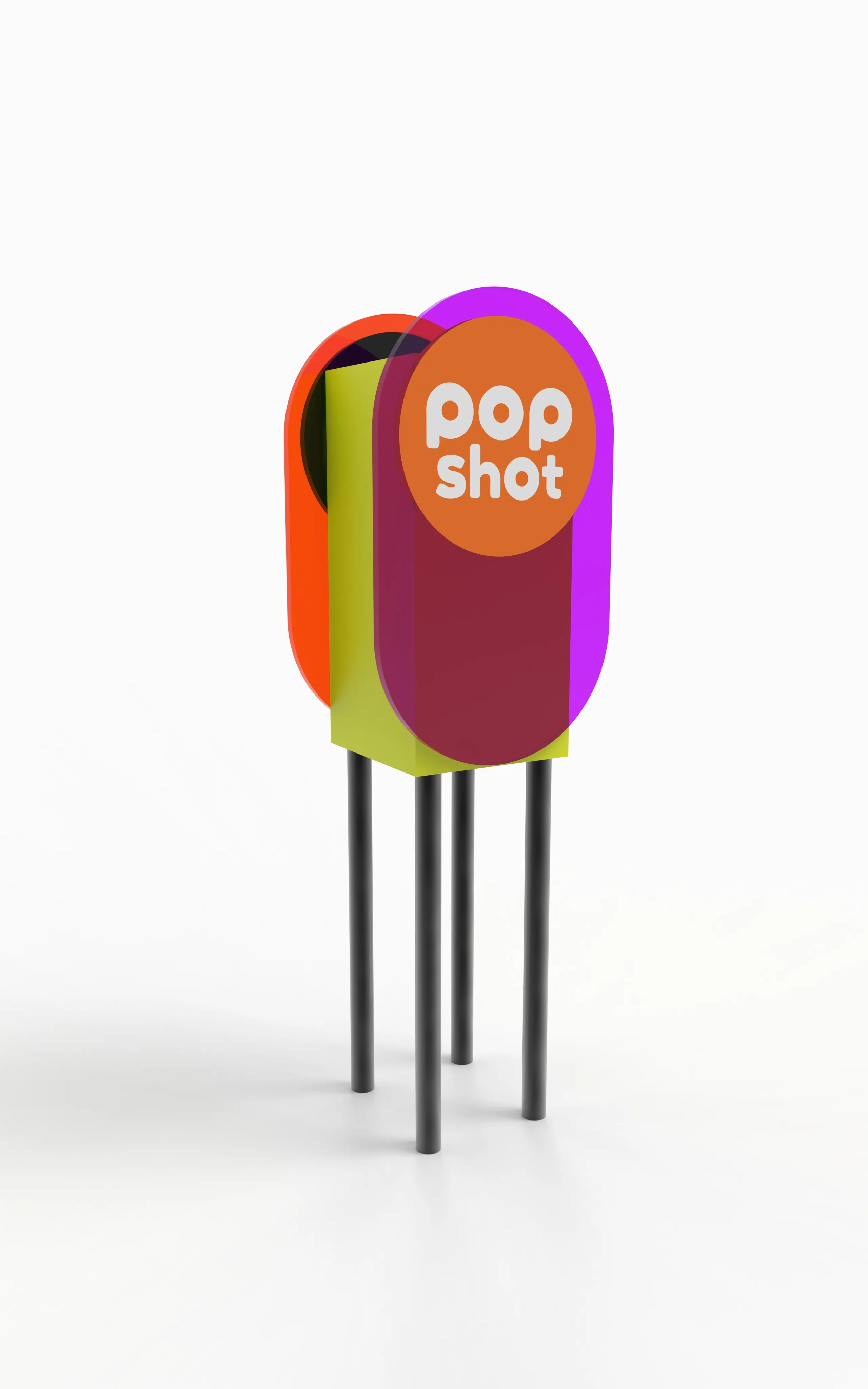
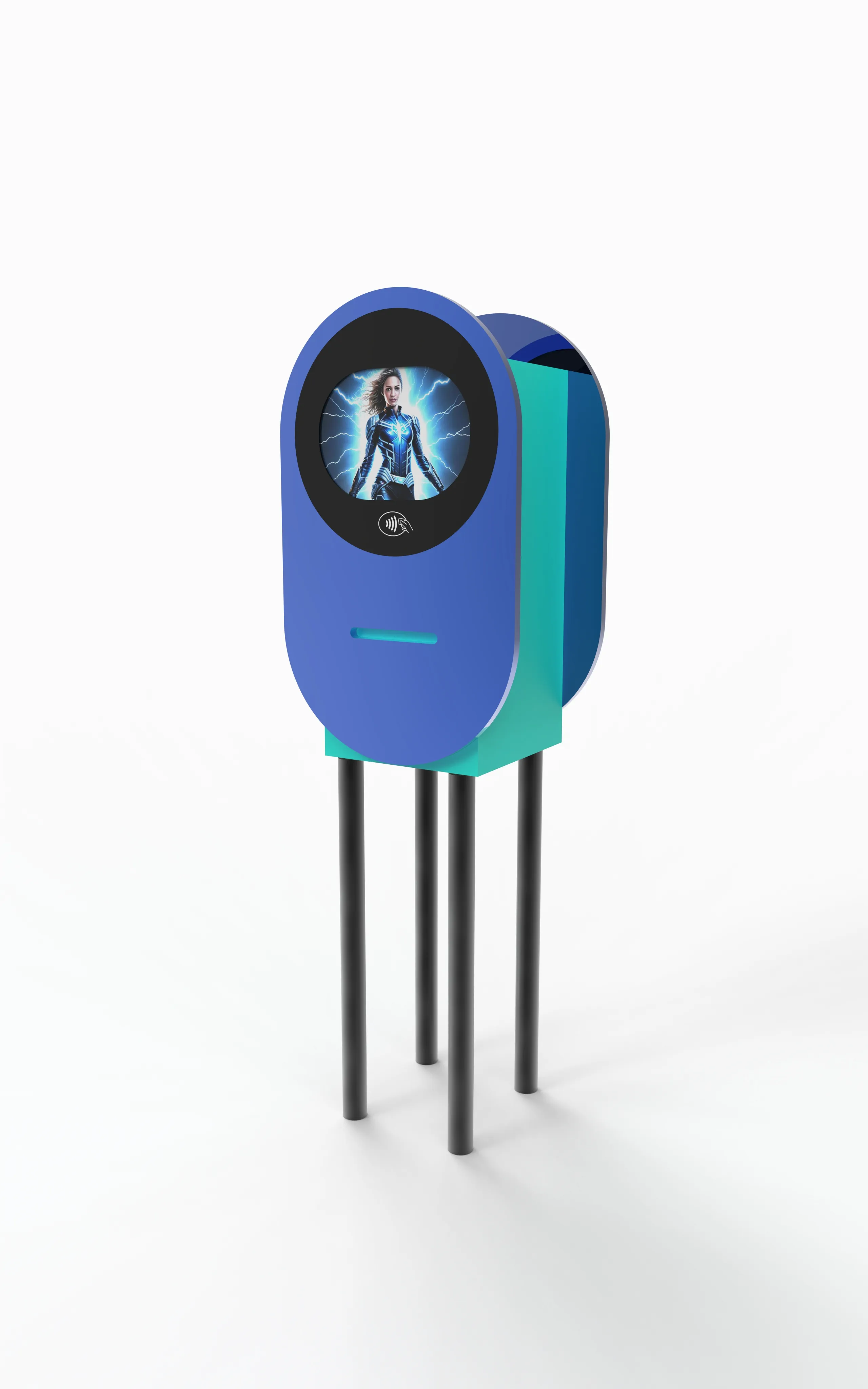
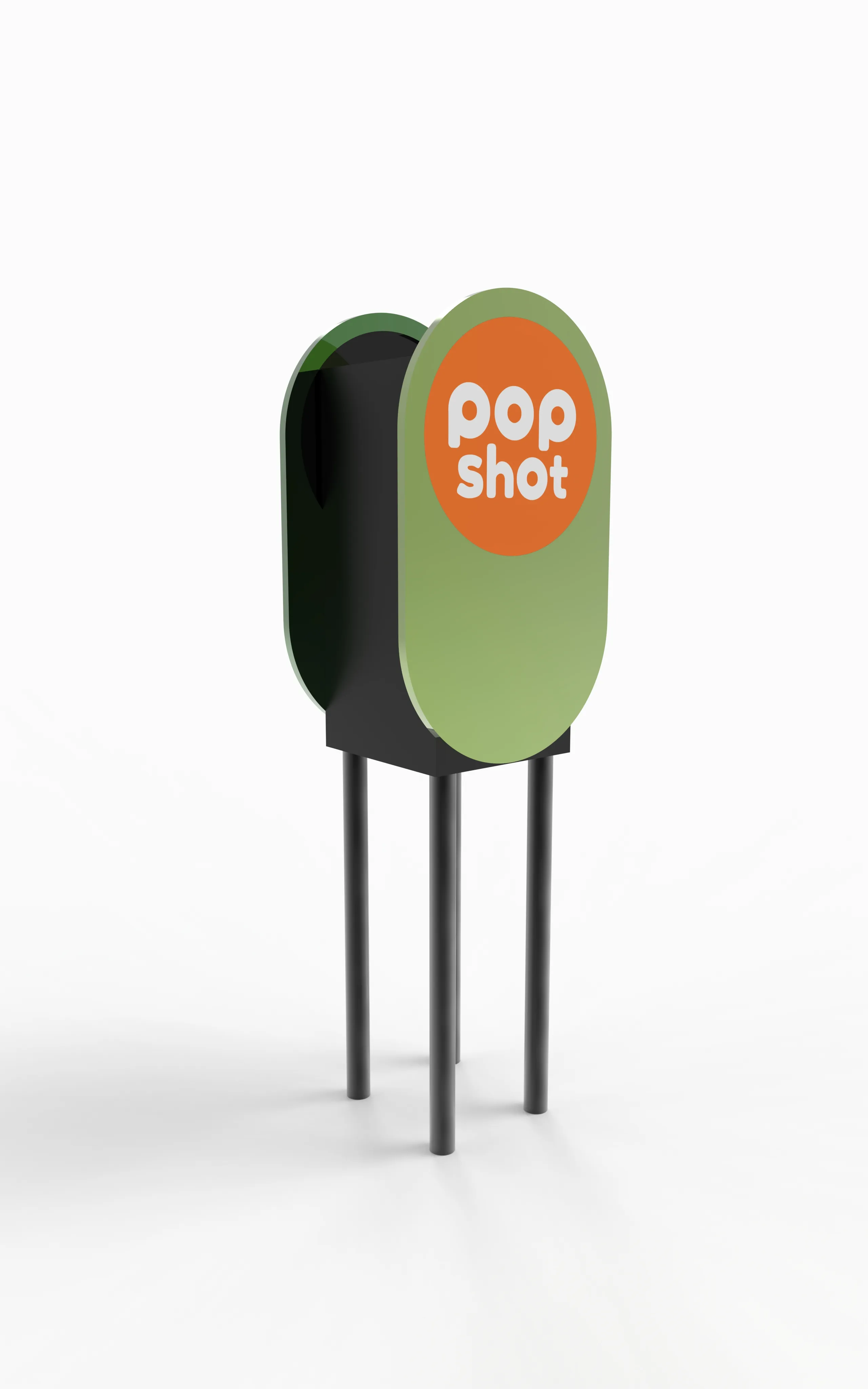
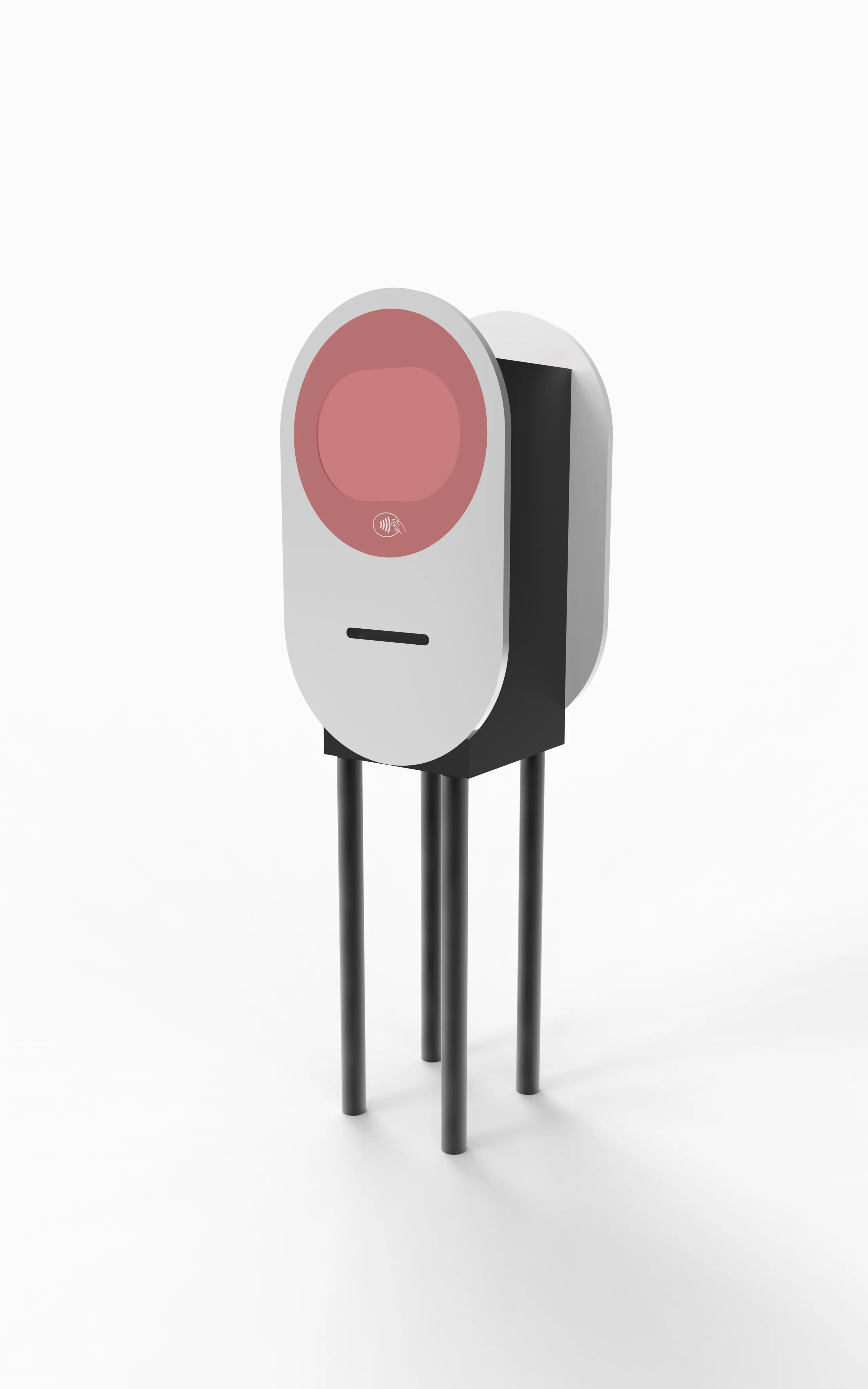
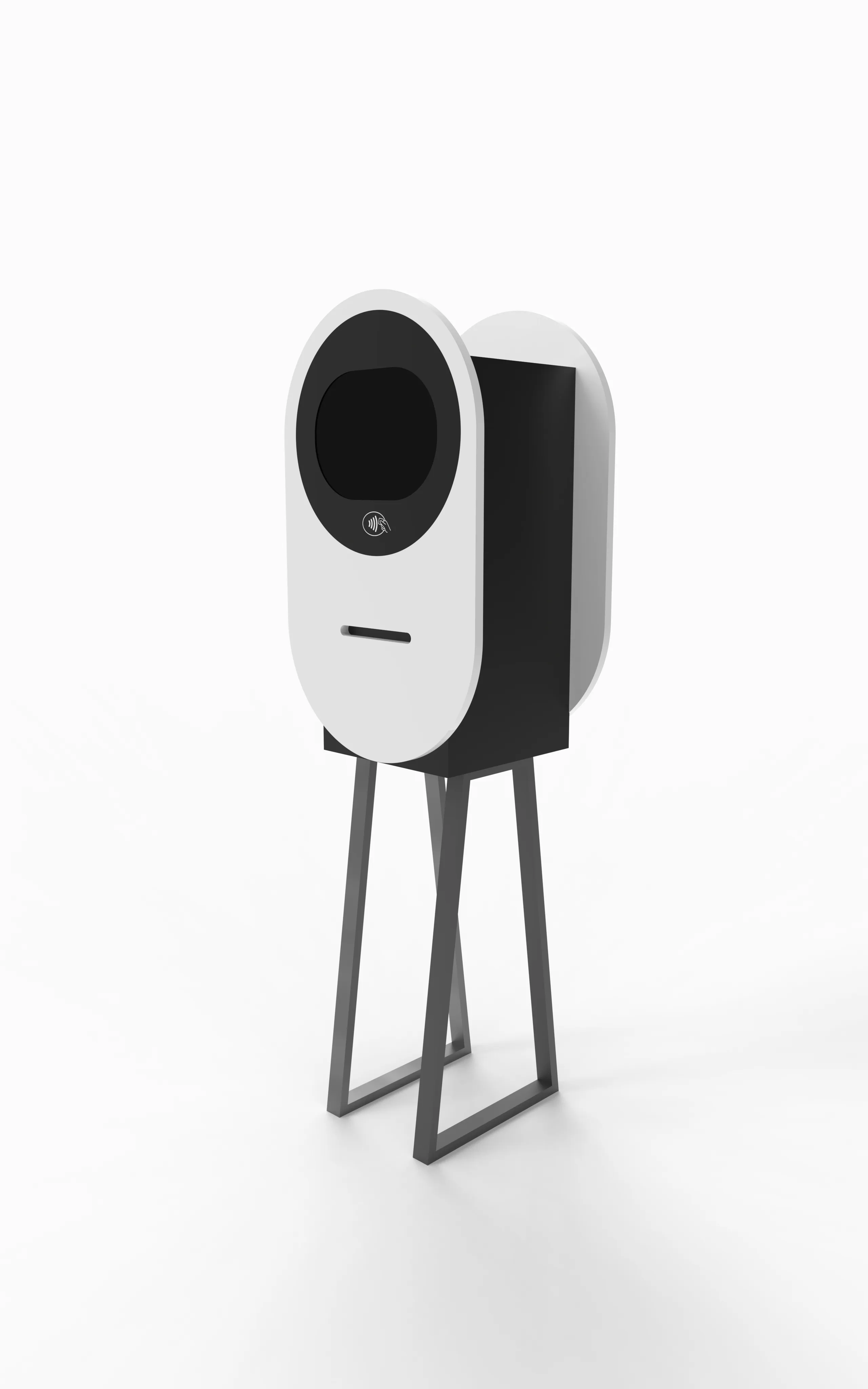
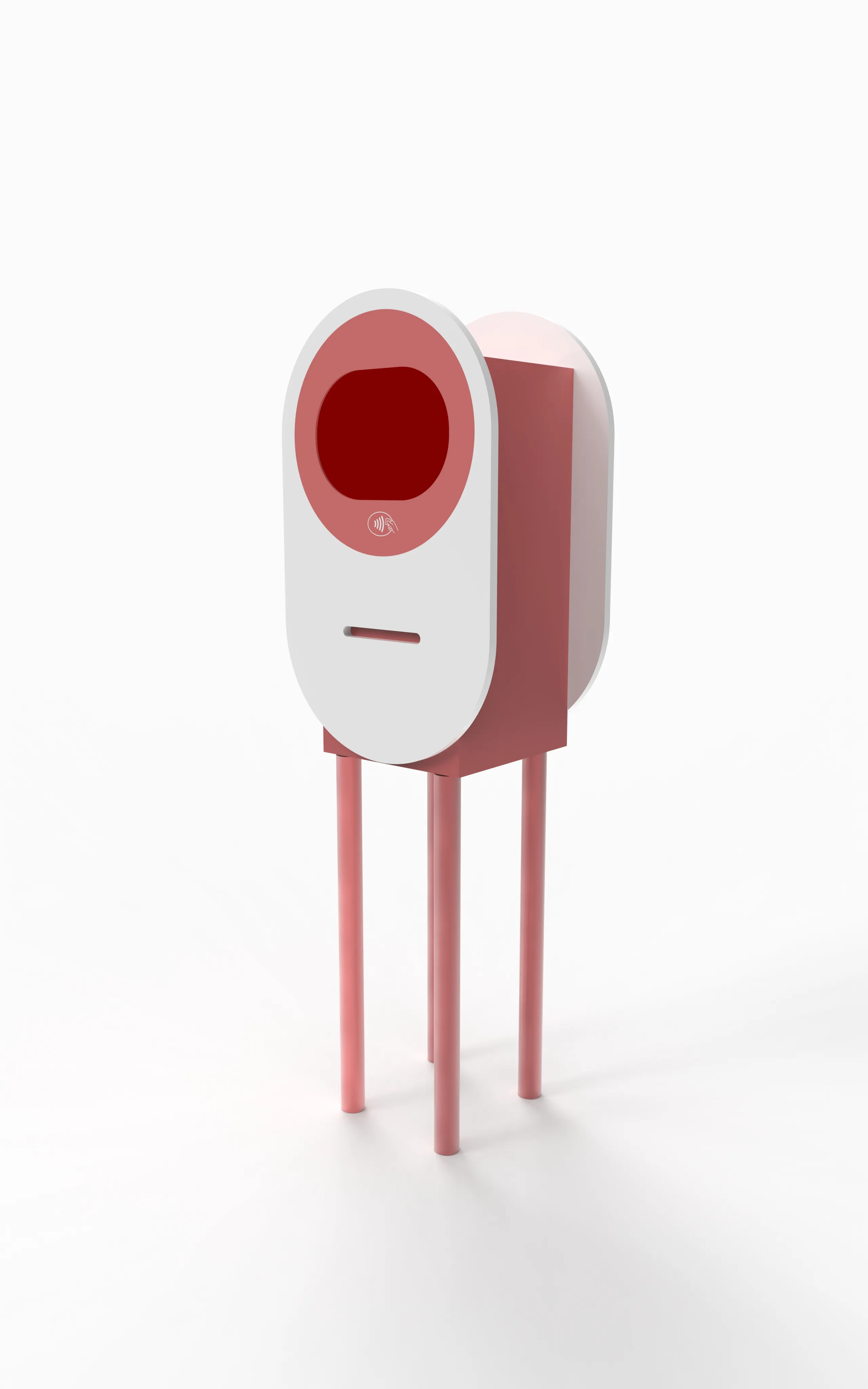
The physical totem itself is not a fixed object. Materials—whether brushed aluminum, oak veneer, or powder-coated steel—and forms can be specified to complement the venue. A baroque palace may call for ornate detailing; a minimalist pavilion may demand clean geometry. The hardware adapts.
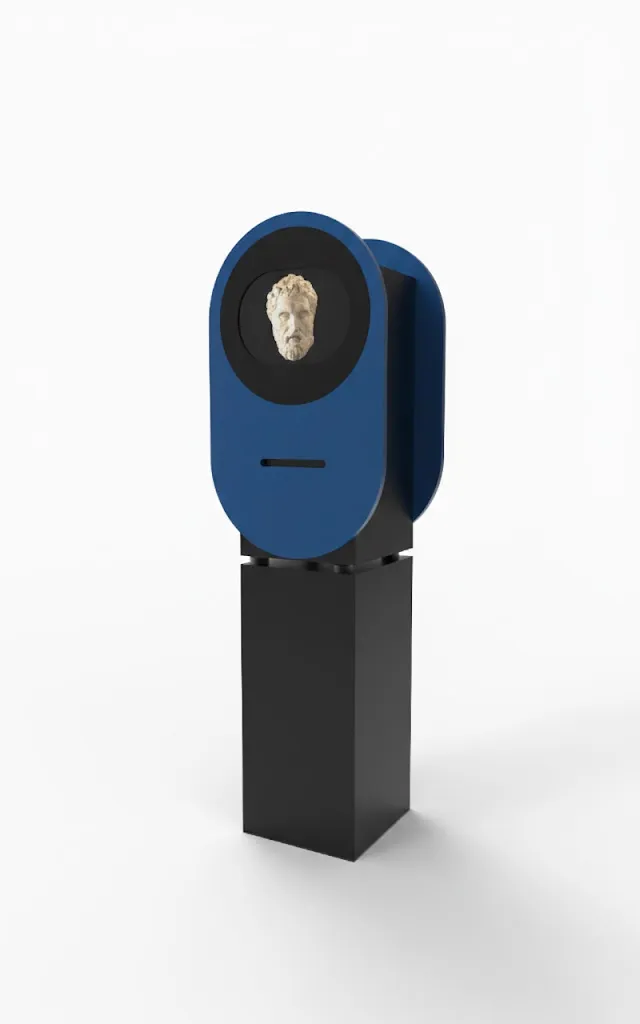
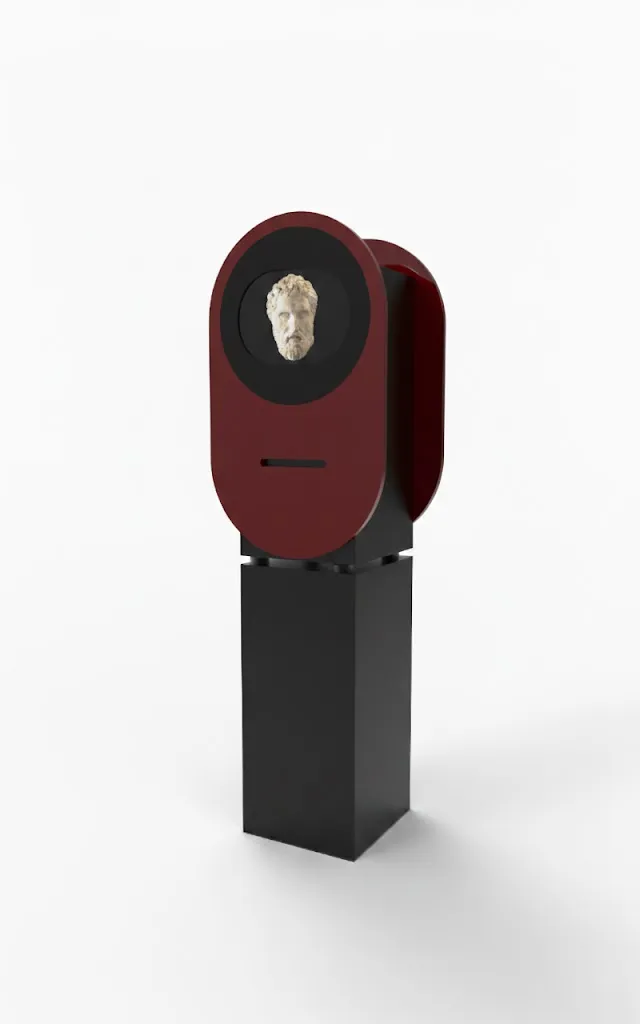
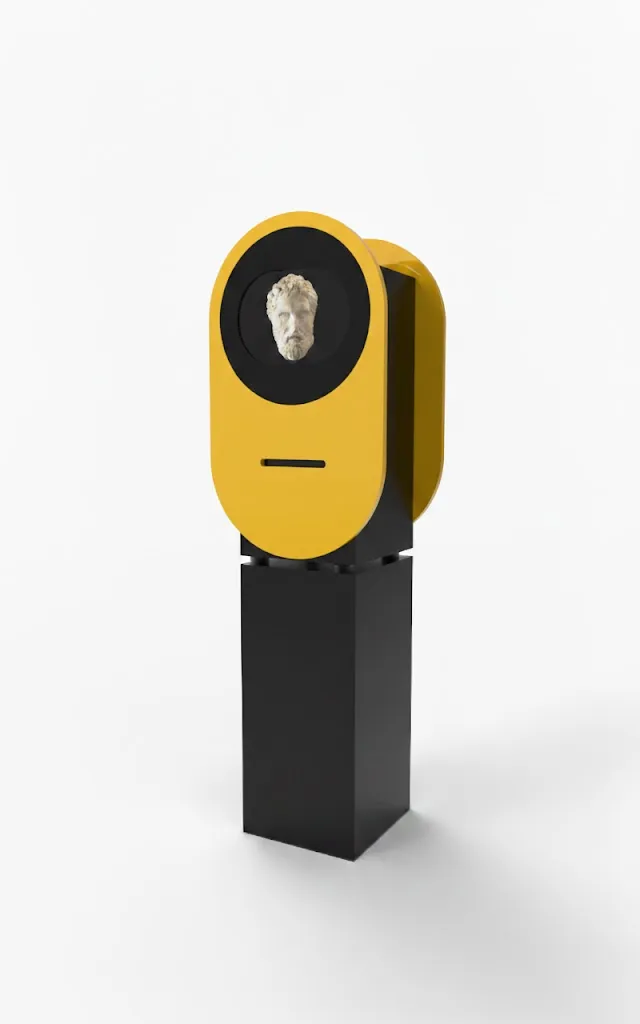
The system is built on a complex orchestration of multiple AI models, ensuring real-time responsiveness and high-fidelity output.
Unlike traditional kiosks that wait for input, PopShot is proactive. Using MediaPipe for face detection and tracking, the system constantly monitors its environment.
The core intelligence of PopShot relies on Retrieval Augmented Generation (RAG). Instead of a generic chatbot, the underlying LLM is grounded in a specific knowledge base curated by the museum.
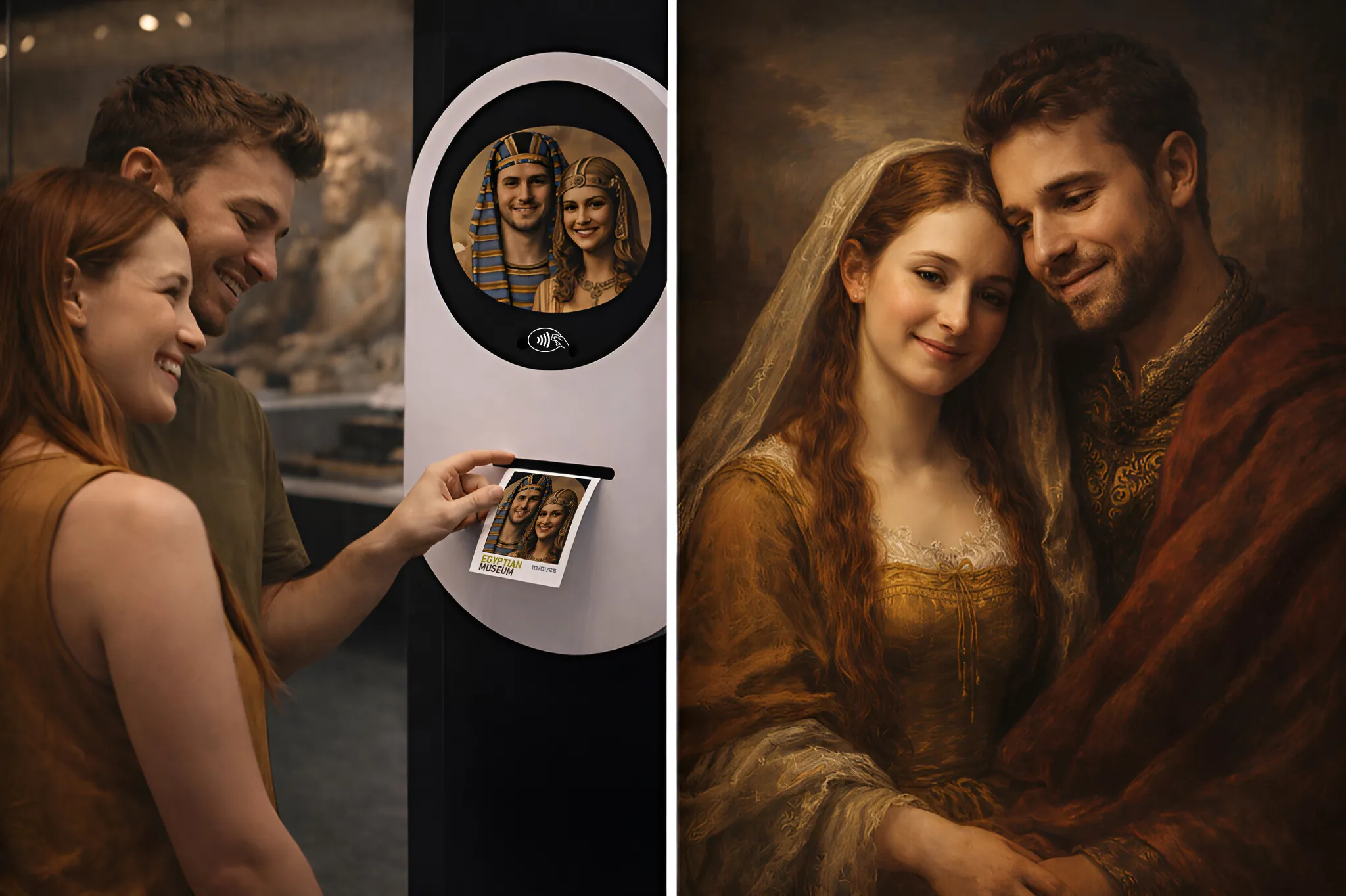
The "Souvenir 2.0" feature is powered by a fine-tuned image generation pipeline.
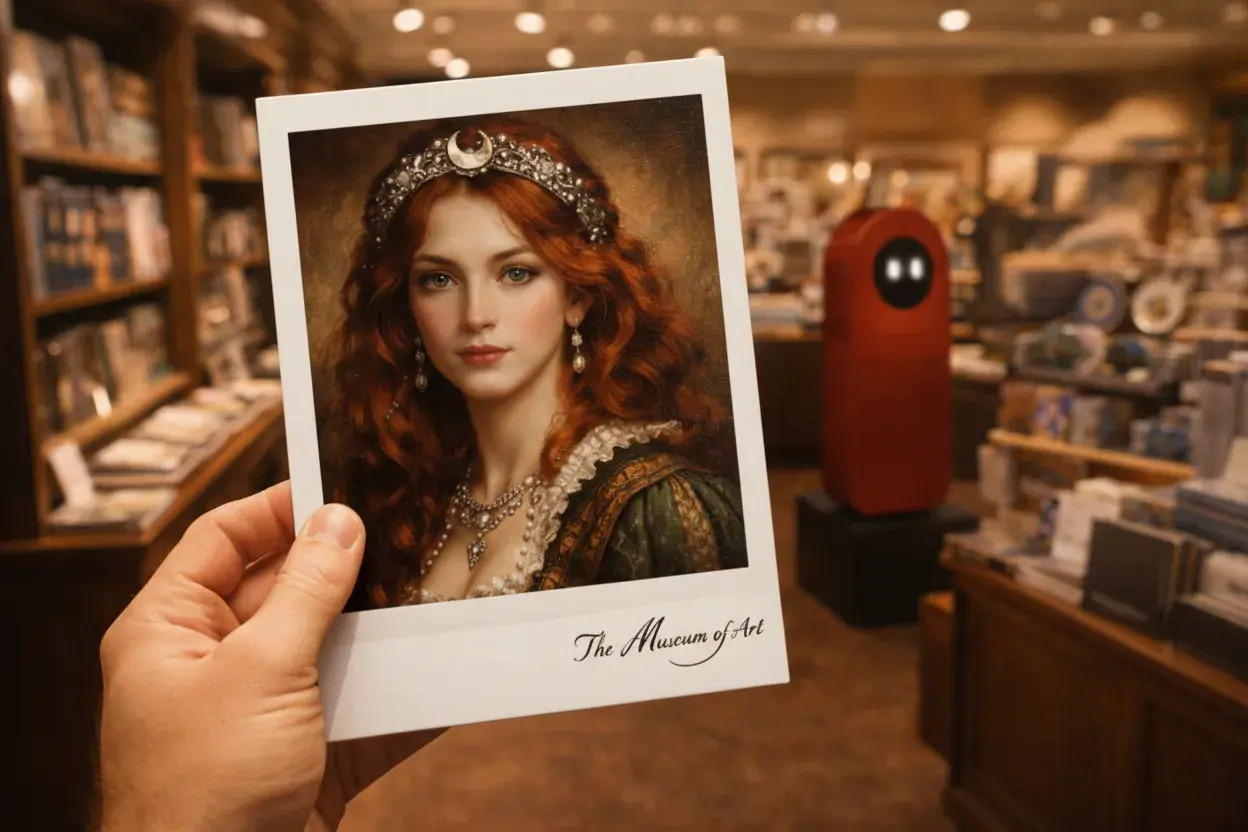
The user journey is designed to be frictionless and magical.
1. The Hook: The physical avatar acknowledges the visitor's presence using computer vision to detect approach speed and distance.
2. The Dialogue: A voice-first interface allows for hands-free questioning. "Who painted this?" "Tell me about the blue period." The system uses low-latency Text-to-Speech to reply naturally.
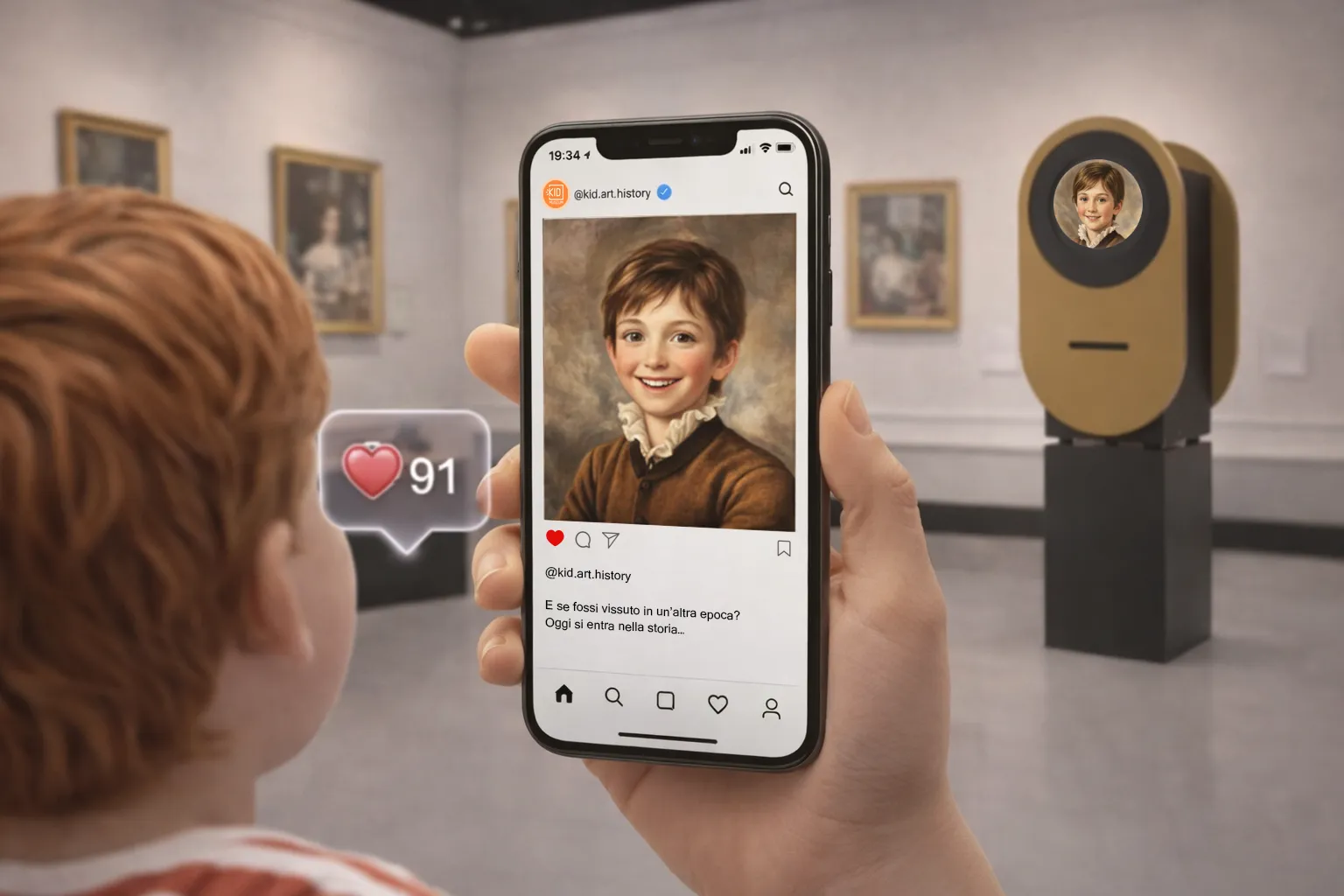
3. The Transformation: The interaction culminates in a creative act. The visitor chooses a style, and the AI generates a unique portrait in few seconds.
4. The Takeaway: The digital artwork is delivered instantly via email or printed on-site, extending the museum experience into the visitor's personal life.
PopShot represents the synthesis of our expertise in creative coding, hardware integration, and UX design. Moving beyond the "one-off" project model, it establishes a framework for scalable interactive architecture.
It is not just an installation; it is a platform that can be adapted to any cultural institution, proving that technology can deepen, rather than distract from, the appreciation of art.
Generative AI and Software Development
Roberto Santoro
Product Development and Management
Marcello Reina